From Limitation to Possibility: How a Seed Grant Is Opening Doors for Rwanda’s Rural Students

by | May 15, 2026 | Education, ShiftHappens

Location: Huye District, Southern Province, RWANDA

Aime Ishimwe knows what it feels like to navigate the path to higher education without a guide. Growing up in rural Rwanda, he experienced firsthand the barriers that keep talented students from reaching their full potential: limited career guidance, no exposure to role models, and almost no access to scholarship information. That lived experience became the foundation for Career Compass, a student-led initiative he created to ensure that other young people in Huye District would never have to face those barriers alone.

“Career Compass is deeply personal. It is built from lived experience,” Aime shared. “This project is my way of giving back and ensuring that other students do not face the same barriers alone.”

With a seed grant from The Pollination Project’s Daily Grant Program, Aime turned that personal conviction into structured, measurable community impact across three rural secondary schools.

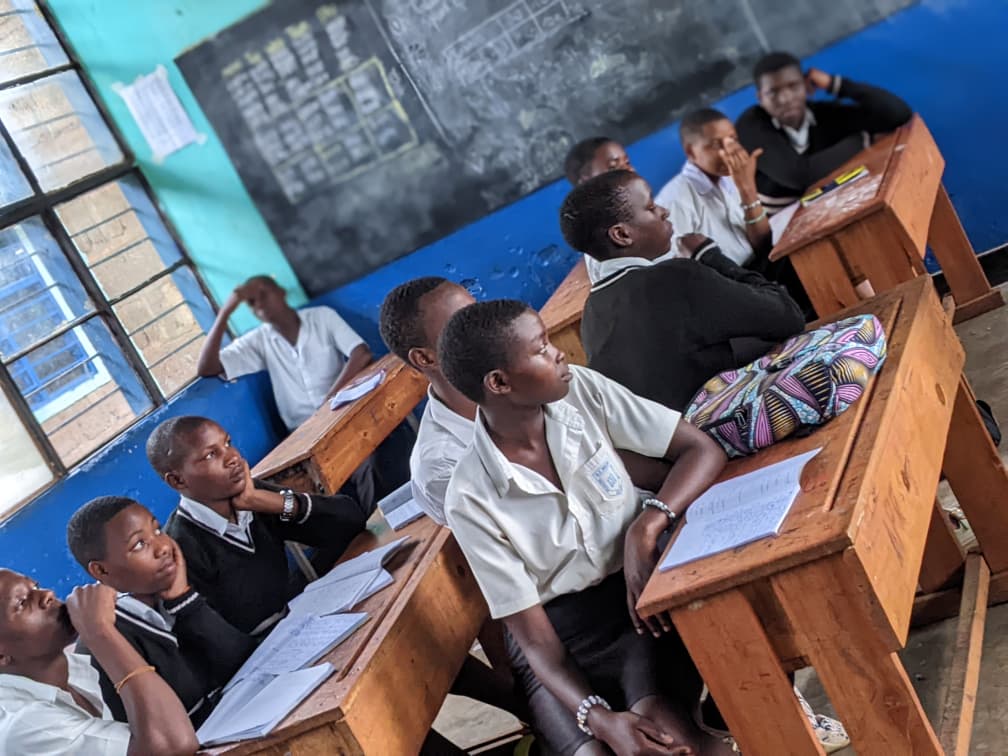
Aime Ishimwe teaching to a class of students

What the seed grant made possible

The TPP grant provided the essential startup resources Career Compass needed to reach students across Huye District. The funding supported a reusable banner, workshop toolkits including papers, markers, and posters, internet bundles for mentors, and airtime for coordination. Every franc was directed toward activities that brought university student mentors into rural classrooms for career guidance sessions, mentorship workshops, and scholarship preparation support.

The results have been significant. Career Compass has directly reached 1,756 students through in-person career guidance and mentorship sessions across three partner schools: G.S. Murambi (580 students), GS Officiel de Butare (620 students), and G.S des Parents TSS Butare (556 students). The project has also conducted 5 targeted mentorship sessions for 246 national exam candidates in S3 and S6, focusing on effective study strategies, self-awareness, career exploration, and exposure to future opportunities. Volunteers have contributed 87 hours of their time to make these sessions possible.

“Access to information is as important as access to financial support,” Aime reflected. “Many students have the potential to succeed but lack exposure, guidance, and the confidence to pursue opportunities.”

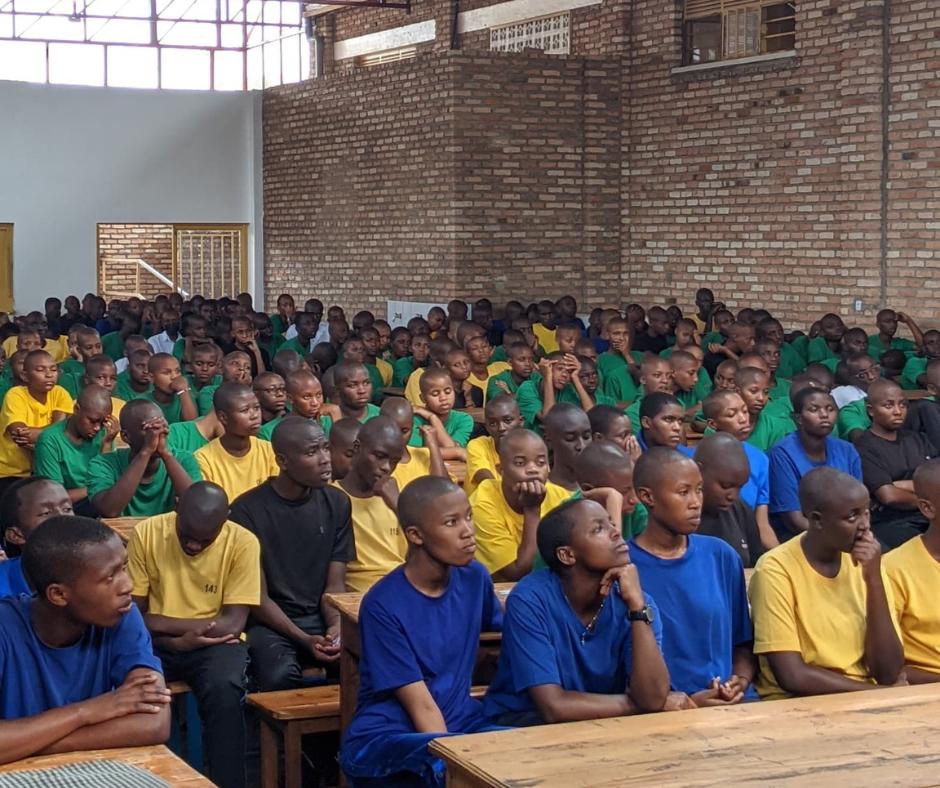
Many students in a classroom in Rwanda with a teacher

Building Sustainability Through Student Leadership

Beyond the sessions themselves, Career Compass has created infrastructure designed to outlast any single grant cycle. The project launched 2 student-led Career Clubs, with 25 and 20 founding members respectively, that meet weekly for peer learning, mentorship, and career discussions. These clubs ensure that the work continues even when university mentors are not physically present in the schools.

A key milestone has been the development of a College Application Handbook, created with the support of an international volunteer. This resource provides step-by-step guidance on university applications, scholarship opportunities, and preparation strategies, addressing a critical information gap that rural students across Rwanda face every year. Pre- and post-session feedback revealed that many students reported increased clarity about subject combinations, future careers, and available opportunities after participating in Career Compass activities.

Teachers and school leaders observed changes in student motivation and classroom participation, confirming that the impact extended well beyond the sessions themselves.

Navigating Real Challenges

The path has not been without obstacles. Some rural school leaders had limited awareness of the value of structured career guidance, making it difficult to secure time within school schedules. Aligning the availability of university student volunteers with secondary school calendars proved challenging, as many mentors are full-time students themselves. And in schools where mentorship was being introduced for the first time, allocated sessions were often too short to address every student’s questions.

Aime and his team adapted by strengthening communication with school leaders, planning sessions further in advance, and maximizing every minute of available time during visits. So far, Career Compass has secured partnerships with 3 of its target 5 schools.

Students in a classroom in Rwanda

A Compass Pointing Forward

Career Compass is preparing to expand to two additional rural schools in Huye District by the end of 2026. The next major phase includes the launch of college application and scholarship bootcamps scheduled for July 2026, immediately following national examinations. These bootcamps will offer practical, step-by-step support including guidance on selecting universities, preparing application documents, writing personal statements, and identifying scholarship opportunities, with special attention to students who have limited access to digital resources.

The project aims to support at least 150 students in securing scholarships and reach over 2,500 students total by year’s end.

“The grant, though small, has had a practical impact by supporting essential resources that made our activities possible,” Aime wrote in his report to The Pollination Project. “It has shown that even limited funding, when used intentionally, can create real change at the community level.”

This is what grassroots philanthropy looks like when it trusts the right person. A seed grant. A clear vision. And 1,756 young people who now see a future they could not see before.

Many students in a classroom in Rwanda

Help More Ideas Take Root

Support more early ideas
Your donation fuels grassroots projects advancing compassion, sustainability, animal welfare, and community-led solutions worldwide.

Have a project like this?
If you’re holding an early idea for change, The Pollination Project is ready to help you bring it to life. Apply for funding!