Samanta Fabbris: Weaving Food Systems into Rio's Climate Future
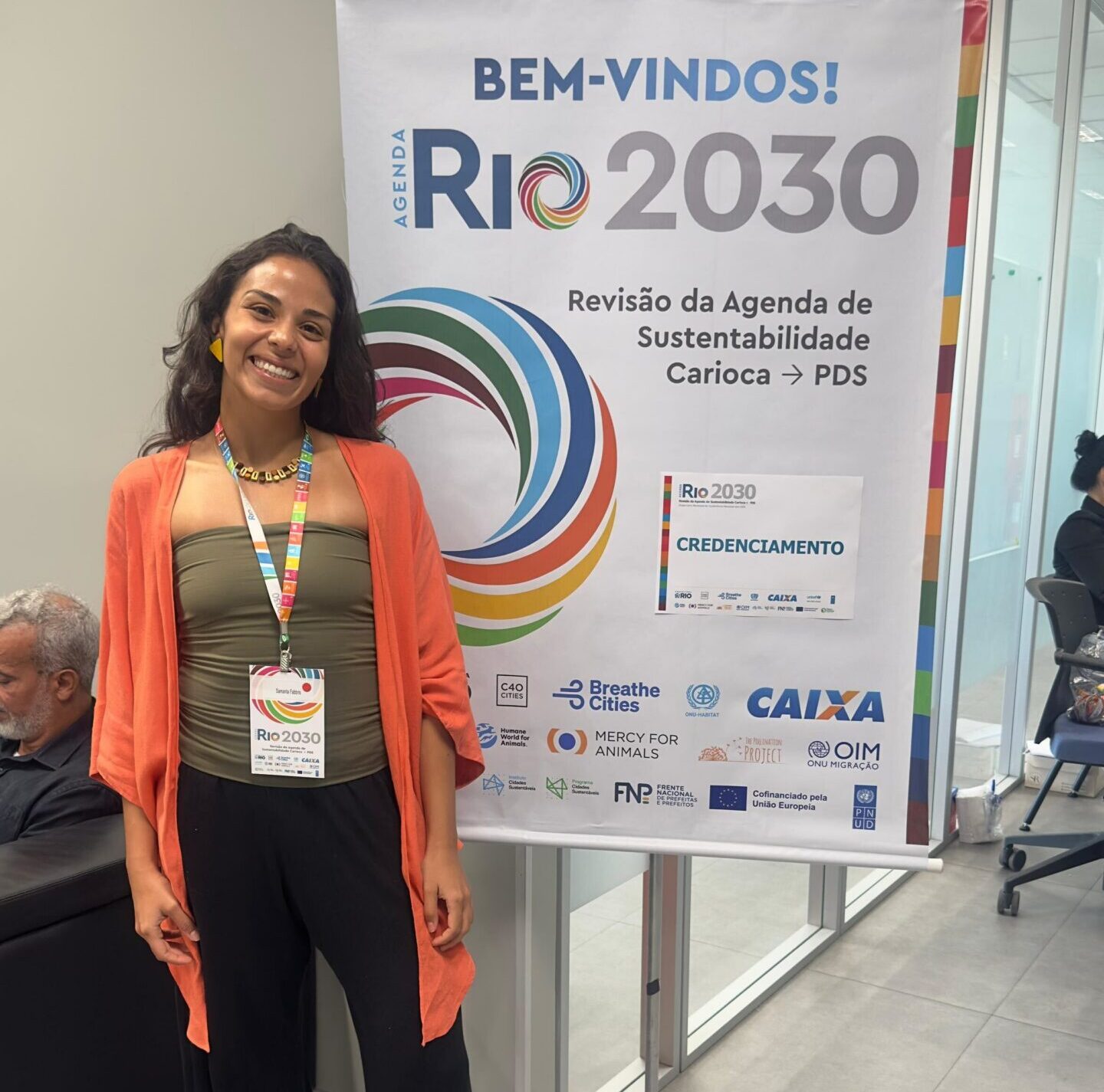
We are thrilled to welcome Samanta Fabbris as the newest grantee of The Pollination Project. Her work sits at a crucial intersection: supporting the City of Rio de Janeiro in revising its Sustainable Development and Climate Action Plan (PSD), with a particular focus on integrating food systems into the city’s climate framework.
“My grant aims to support the City of Rio de Janeiro in revising its Sustainable Development and Climate Action Plan (PSD), with a focus on integrating food systems into the framework. This is an important step in recognizing the interconnection between food and climate as essential for both adaptation and mitigation of the climate crisis. So far, I have conducted an initial analysis of the current plan and helped design a workshop with civil society, engaging more than 80 participants to ensure that the diverse voices of Rio are reflected in this new chapter. It has been truly rewarding to carry out this work in partnership with TPP, not only because I am doing something I deeply care about, but also due to the strong collaboration with the city government and other civil society organizations. I am confident that this initiative will generate meaningful local impact while also serving as inspiration for other cities.”
Instituto Águas do Amanhã: Rooting Food Sovereignty in Afro-Brazilian Heritage
We are also proud to announce a new grant to Instituto Águas do Amanhã, a Rio de Janeiro–based organization building fair and sustainable food systems grounded in Afro-Brazilian ancestral knowledge. Founded during the COVID-19 pandemic, the Institute has developed a powerful integrated approach that connects ancestral and community gardens, solidarity kitchens, and the training of Black women, linking food security and sovereignty with public policy and the strengthening of peripheral territories.
“This initiative not only addresses immediate needs but also contributes to long-term resilience, dignity, and systemic change in historically underserved communities.”
Through this grant, the Institute will support the creation of new plant-based community gardens and improve the infrastructure of 7 solidarity kitchens across Rio’s periphery, expanding access to nutritious food while investing in local leadership and community capacity.
Animal Protection at a Turning Point: Landmark Reforms in Mexico
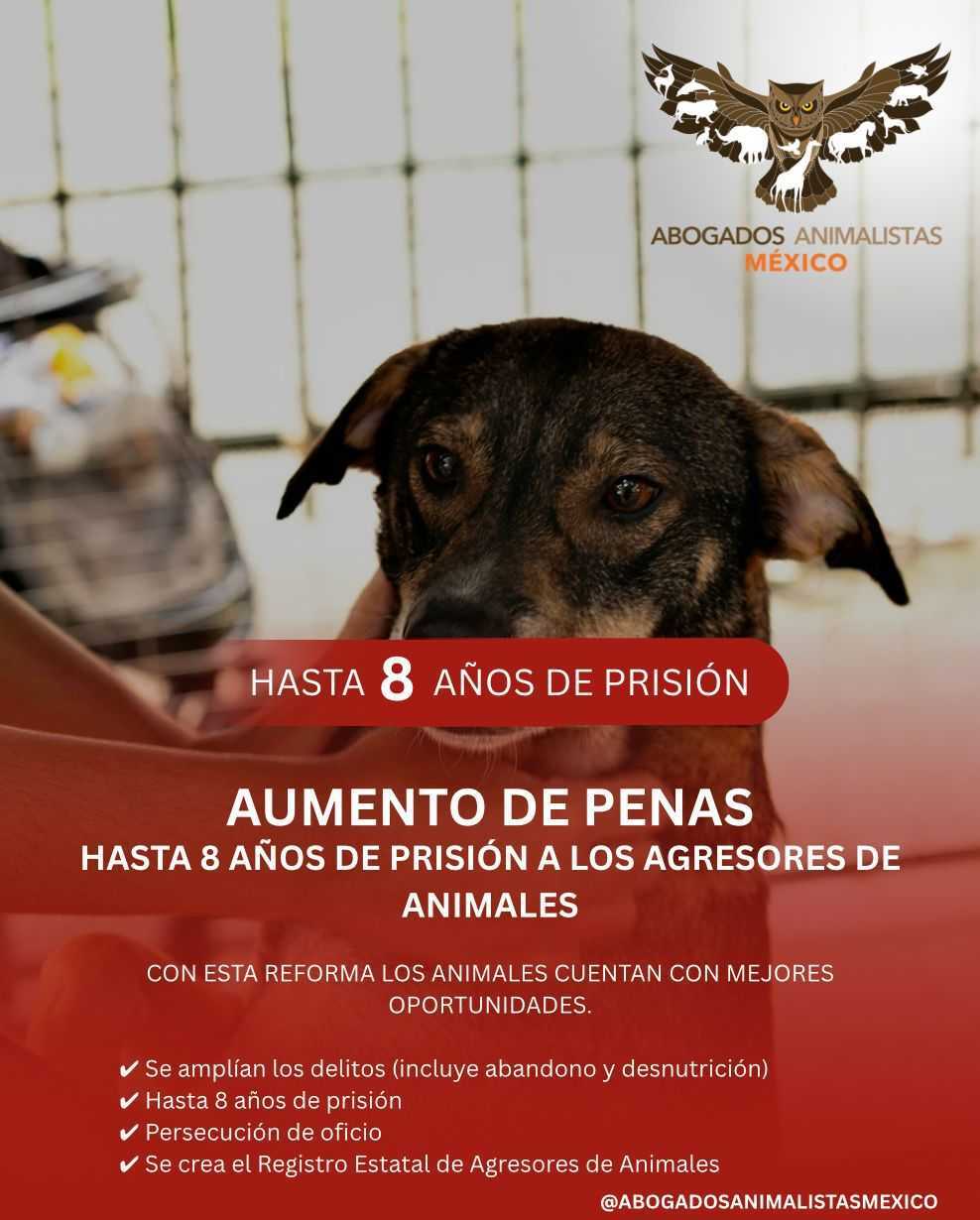
From Mexico, we are proud to share a series of major milestones that reflect the growing power of our advocacy community there. TPP grantee Frank Ortiz has helped drive landmark legal reforms in Baja California — reforms that now formally recognize animals as “seres sujetos de especial protección” (beings subject to special protection) and establish meaningful criminal penalties for cruelty, including prison sentences of 1 to 5 years, and up to 8 years in the most severe cases.

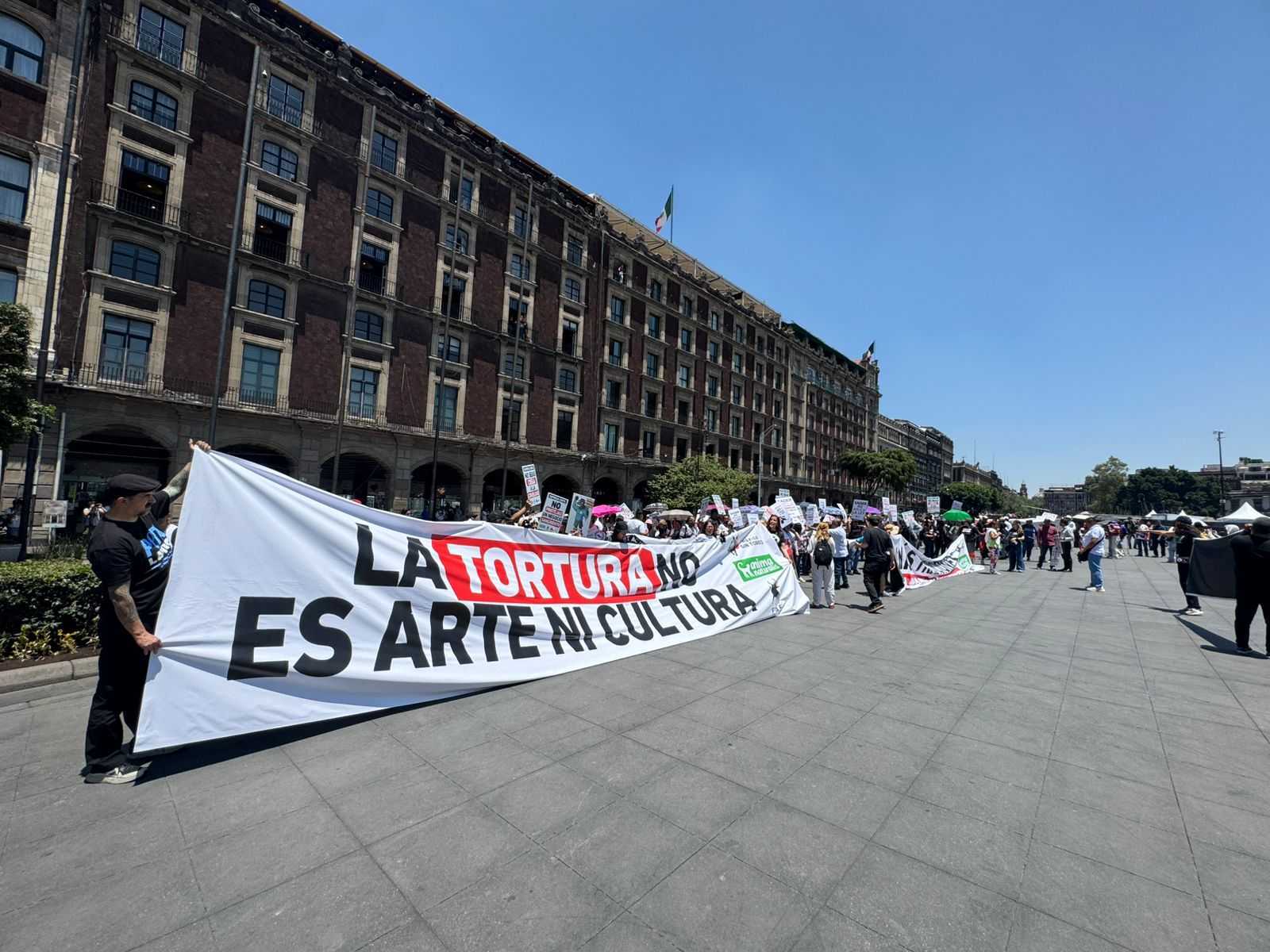
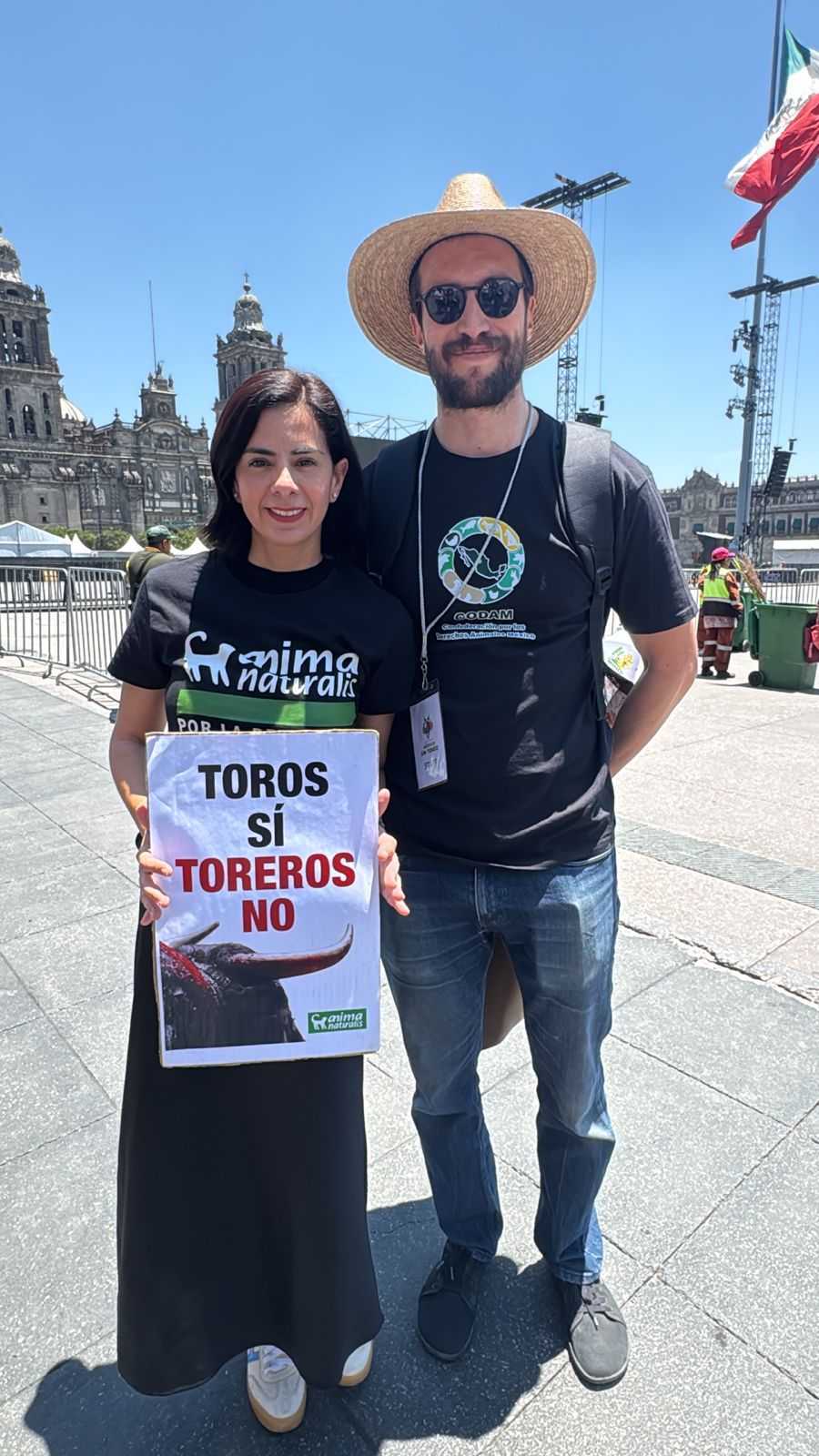
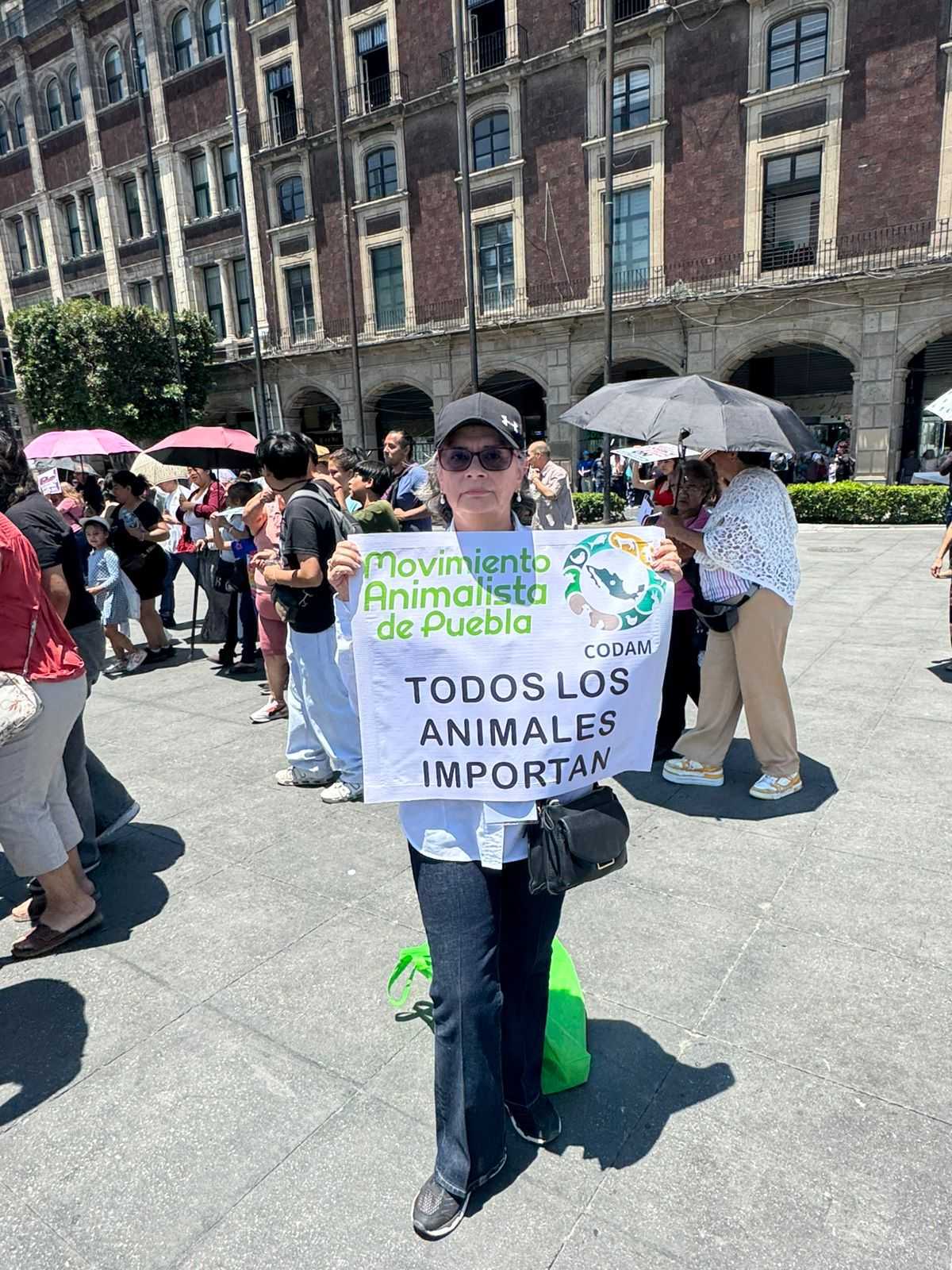
On April 29, organizations within CODAM and Movimiento México Sin Toreo — including several TPP grantees — submitted a coordinated request to Mexico’s Supreme Court to attract and review key cases challenging bullfighting across multiple states, aiming to advance animal protection at the national level. This milestone reflects the kind of concrete legal impact Frank Ortiz’s advocacy is helping achieve, turning protections for animals into enforceable consequences.
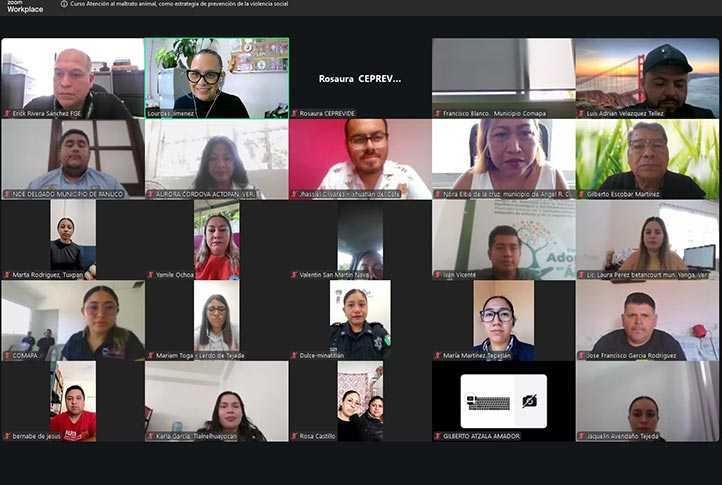
Meanwhile, Mexico Coordinator Lourdes Jiménez Mora led a landmark capacity-building initiative through the Universidad Veracruzana and Proyecto ARPA, training over 120 municipal authorities across 57 municipalities in Veracruz on addressing animal maltreatment as a pathway to violence prevention. This effort aligns with Mexico’s recent constitutional reforms formally recognizing animals as sentient beings — a historic step toward building a culture of peace through animal advocacy.