Location
Laikipia County, KENYA
Grantee
James Mugambi Ngece
Project
Protein Security through Drought-Tolerant Beans
James Mugambi Ngece
James Mugambi Ngece is the founder of Equal Foundation, an organization based in Kenya working to strengthen food security and climate resilience in pastoral communities. Growing up in Laikipia County, he watched families build their livelihoods around livestock, only to see drought and land degradation erode that foundation year after year. Through Equal Foundation, he set out to show that protein security does not have to depend on cattle, goats, and sheep alone, introducing a drought-tolerant, plant-based alternative that can thrive in the same conditions that make livestock farming increasingly difficult. His work combines climate-smart agriculture training, farmer-to-farmer seed multiplication, and nutrition education, and has connected Equal Foundation to a wider network of animal welfare organizations and new funding partnerships to carry the model into more arid and semi-arid communities.
What the seed grant made possible
80
people directly reached through the project
4000
livestock estimated spared through diversified household protein sources
50
farmers, mostly women and youth, trained in climate-smart agriculture
$8000
in income generated for participating households
The project
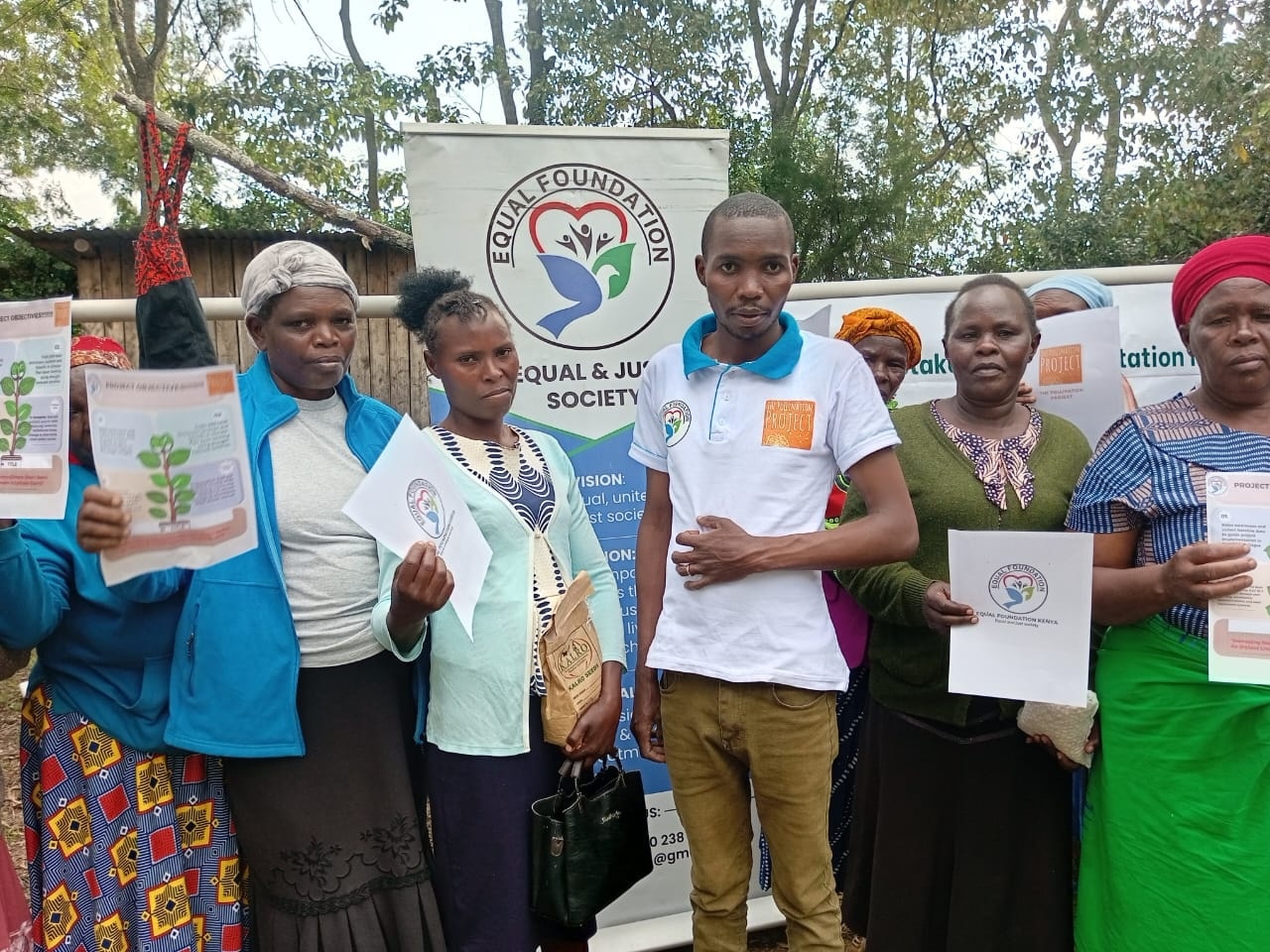
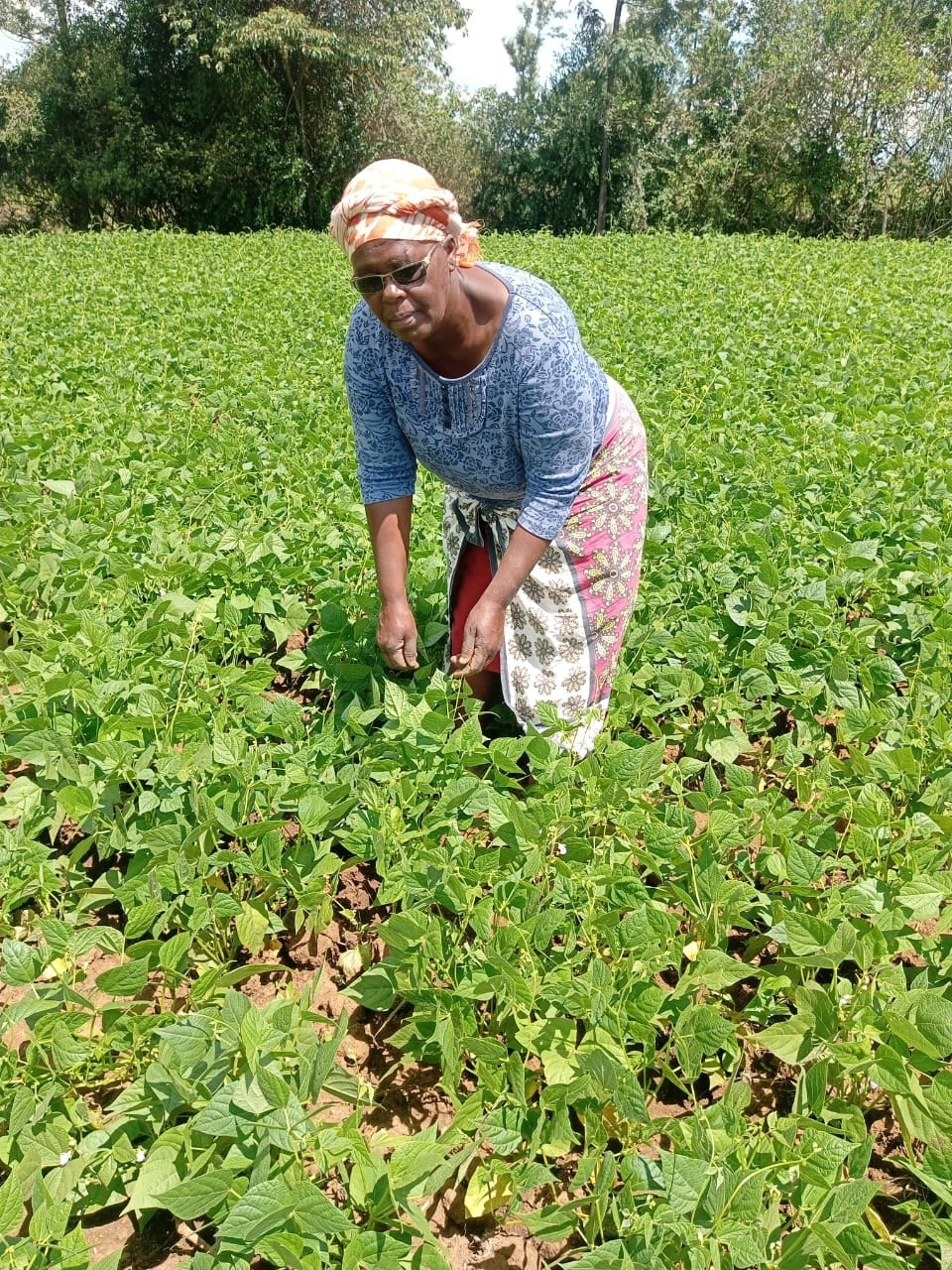
- The grant introduced the KAT B1 bean, a drought-tolerant, iron-rich, fast-cooking variety developed by KALRO, to pastoral households in Laikipia North Subcounty.
- Equal Foundation procured 120 kg of certified seed, distributed 96 kg to farmers across five villages, and used the rest to set up a demonstration farm for hands-on training.
- Farmers were trained in bean cultivation, seed saving, soil health, and post-harvest handling, with bi-monthly follow-up visits over a full year of implementation.
- Eighteen farmers harvested a combined 120 kg of beans, which were redistributed to 18 additional farmers, doubling the project’s reach through a farmer-to-farmer seed multiplication model
James Mugambi Ngece and Equal Foundation are helping pastoral families in Kenya’s Laikipia County build protein security that can withstand drought. With TPP support, Equal Foundation introduced the drought-tolerant KAT B1 bean, trained 50 farmers in climate-smart agriculture, and directly reached 80 people, with some farmers turning two kilograms of seed into harvests of 20 to 30 kilograms. By diversifying household protein sources, the project helped spare an estimated 4,000 livestock, generated $8,000 in household income, and mobilized 330 volunteer hours, laying the groundwork for a seed multiplication model Equal Foundation plans to scale across more arid and semi-arid communities.