Location
Nakuru County, KENYA
Grantee
Eston Kimaswoch Ayiego
Project
Flamingo Lakes School Bird Clubs
Eston Kimaswoch Ayiego
Eston Kimaswoch Ayiego is the founder of the Flamingo Lakes Conservation Network, an organization working to protect the wetlands of Kenya’s Rift Valley through community-based education. For years, he has watched deforestation, pollution, and water abstraction put mounting pressure on Lake Nakuru and Lake Elementeita, two Ramsar Sites and Important Bird Areas that shelter the Near Threatened Lesser Flamingo alongside hundreds of other species. Convinced that lasting protection depends on the communities living beside these lakes, Ayiego built a schools-based program that trains students and teachers in bird ecology and wetland conservation. The results of his TPP-funded work helped the network secure an additional $3,000 grant from the Zoological Association of America to expand to more schools and launch a citizen-science bird monitoring program.
What the seed grant made possible
2000
students trained in bird ecology and wetland conservation
60
teachers equipped to carry conservation education into their classrooms
20
school bird clubs established across Nakuru County
750
volunteer hours contributed to the project
The project
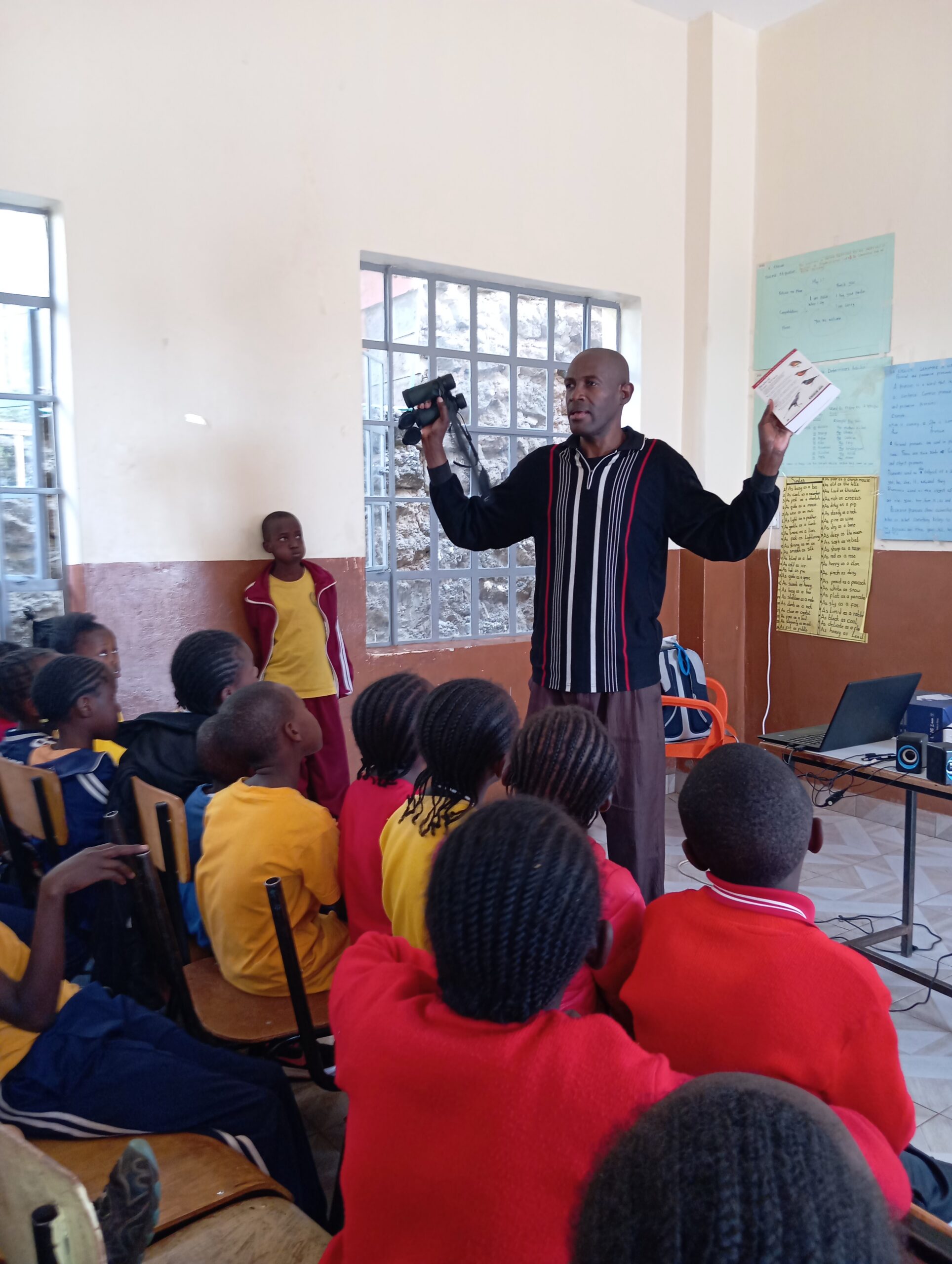
- The grant brought conservation education to 20 schools in Nakuru County, training students and teachers in bird ecology, species identification, and wetland conservation.
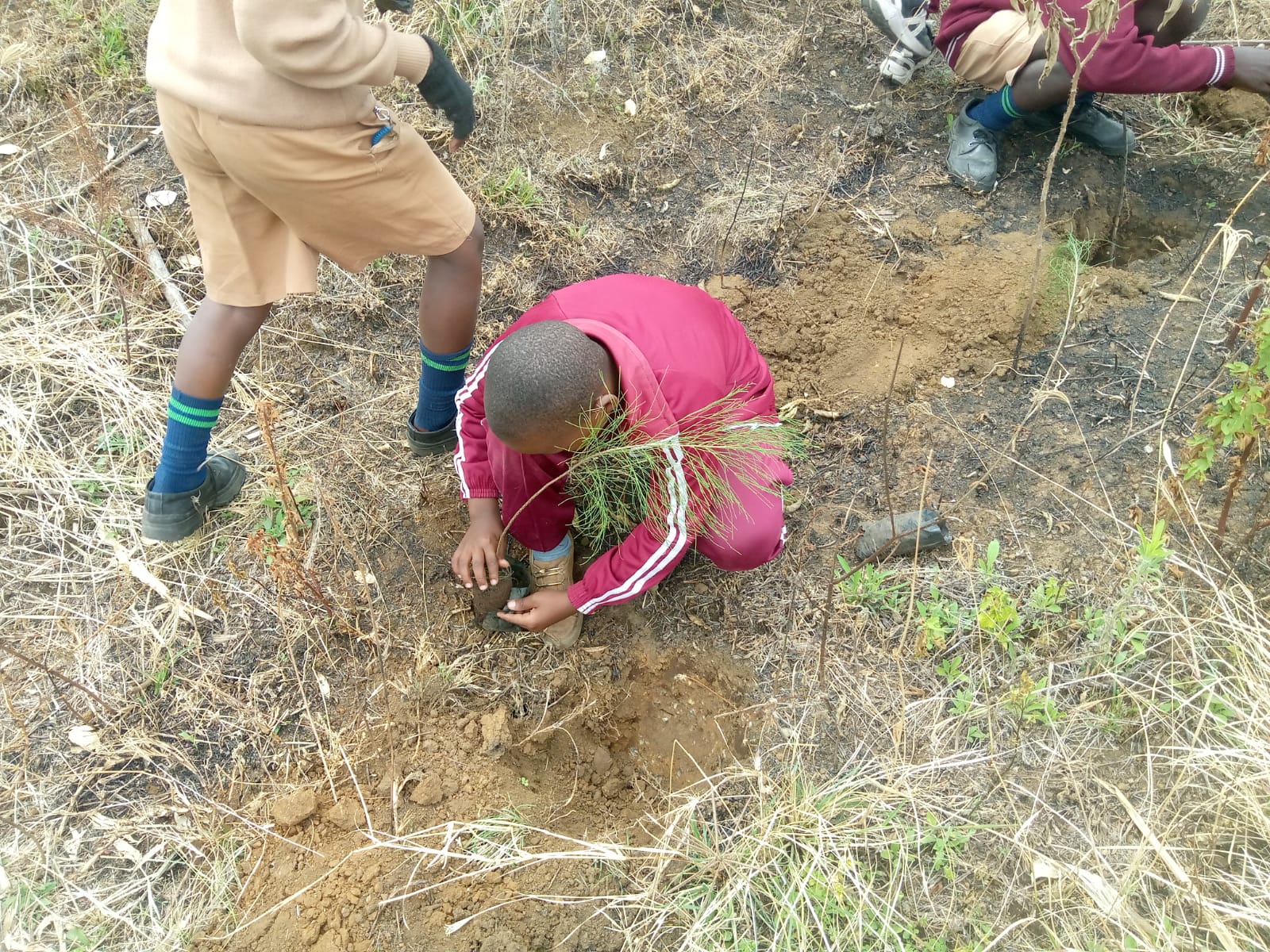
- Every school now hosts an active bird club, supported by guided birdwatching excursions, bird feeders, and tree and flower planting to restore micro-habitats on school grounds.
- The team distributed 100 educational materials, including bird identification guides and conservation pamphlets, and a bird art competition drew 100 entries.
- Building on these results, the network secured an additional $3,000 grant from the Zoological Association of America to expand the program, upgrade bird club equipment, and launch a citizen-science bird monitoring program.
Eston Kimaswoch Ayiego and the Flamingo Lakes Conservation Network are helping a new generation of young conservationists protect Lake Nakuru and Lake Elementeita, two globally important wetlands in Kenya’s Rift Valley. With TPP support, the network trained 2,000 students and 60 teachers across 20 schools and established a bird club in each one, creating a local network of young people who now monitor the shoreline with binoculars and field guides in hand. Continuing requests from schools for more activities, along with 750 volunteer hours from the community, show the program’s reach beyond the grant period, and the documented results opened the door to new funding for its next phase.