Last week, something powerful happened in Brasília.
During Brazil’s National Animal Week (March 10–12), organized by the Ministry of the Environment through the Department of Animal Protection and Defense, civil society came together in an unprecedented way to push forward animal protection in the country.
With support from The Pollination Project, 65 activists from across Brazil were able to travel to Brasília and take part directly in conversations with government officials, researchers, and advocacy organizations.
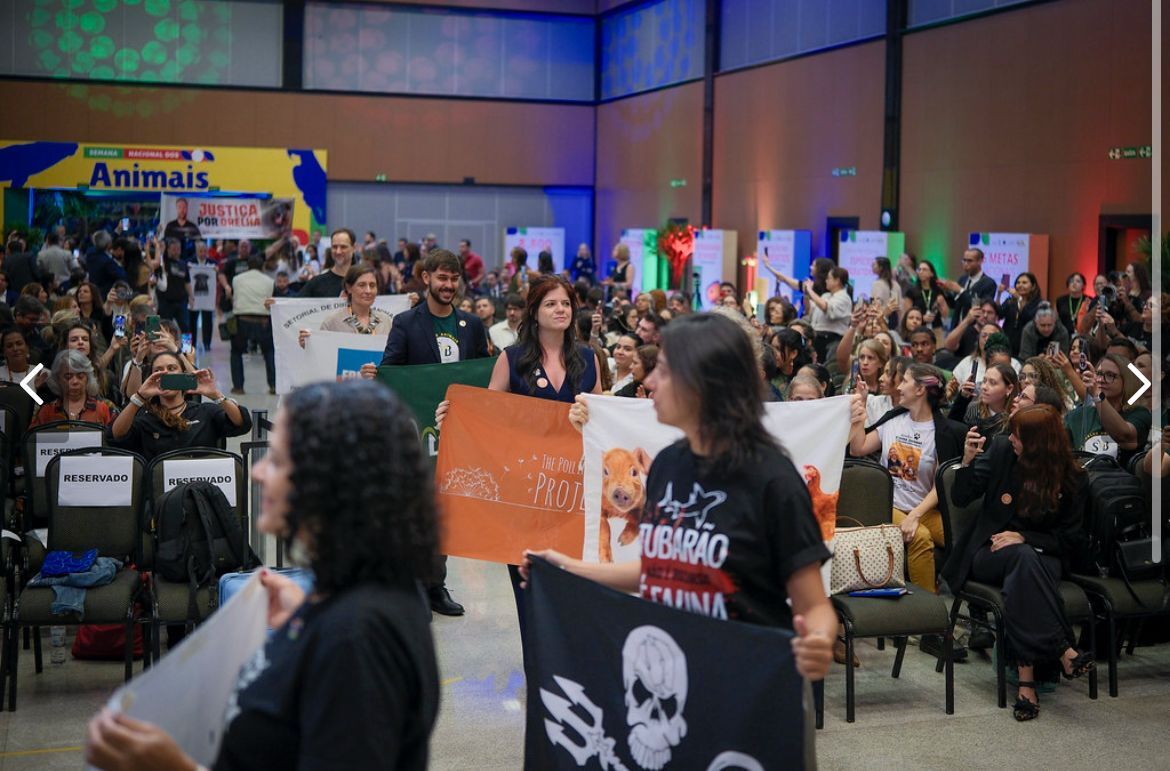
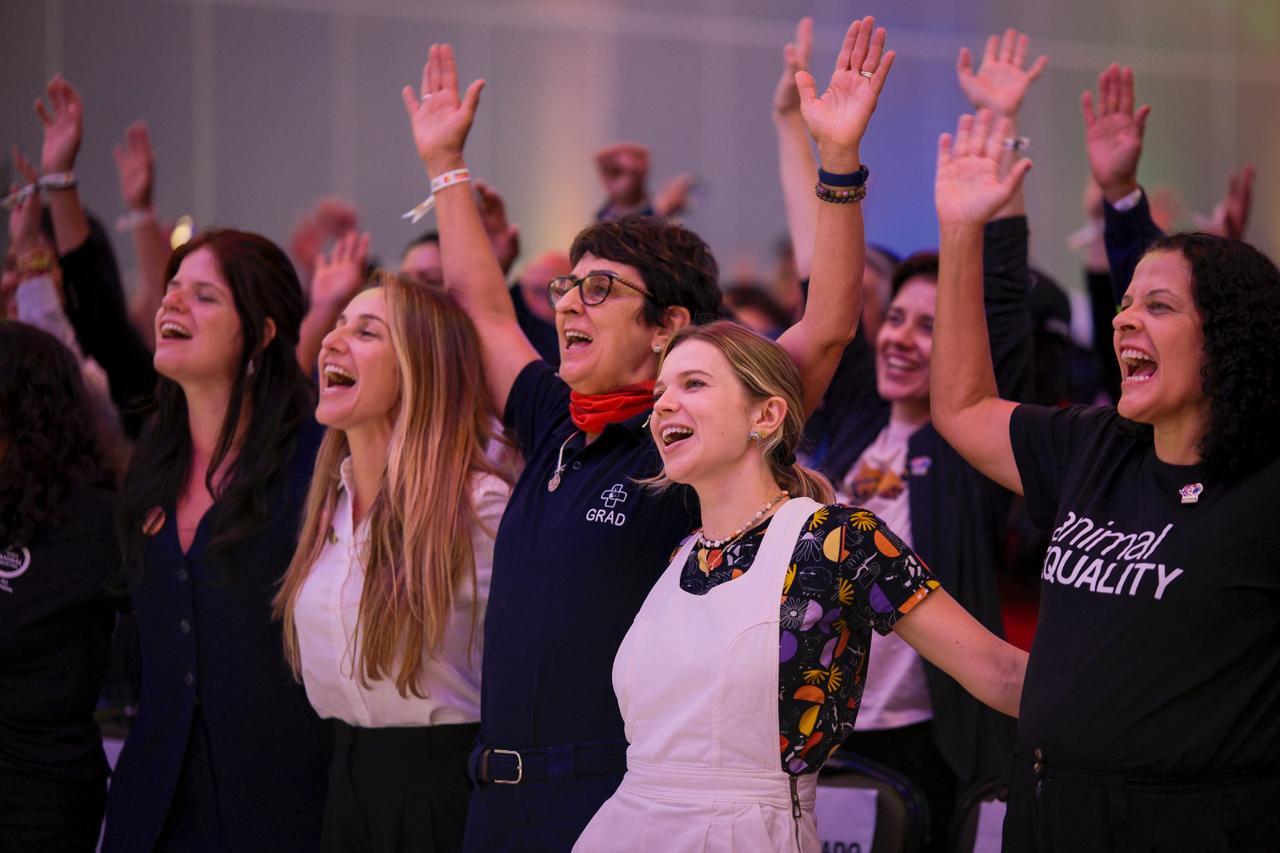
This group included leaders from large, medium, and small organizations, as well as volunteers, grassroots activists, and communicators, bringing together many different voices from across the country’s animal protection movement.
And the collective effort helped generate real results:
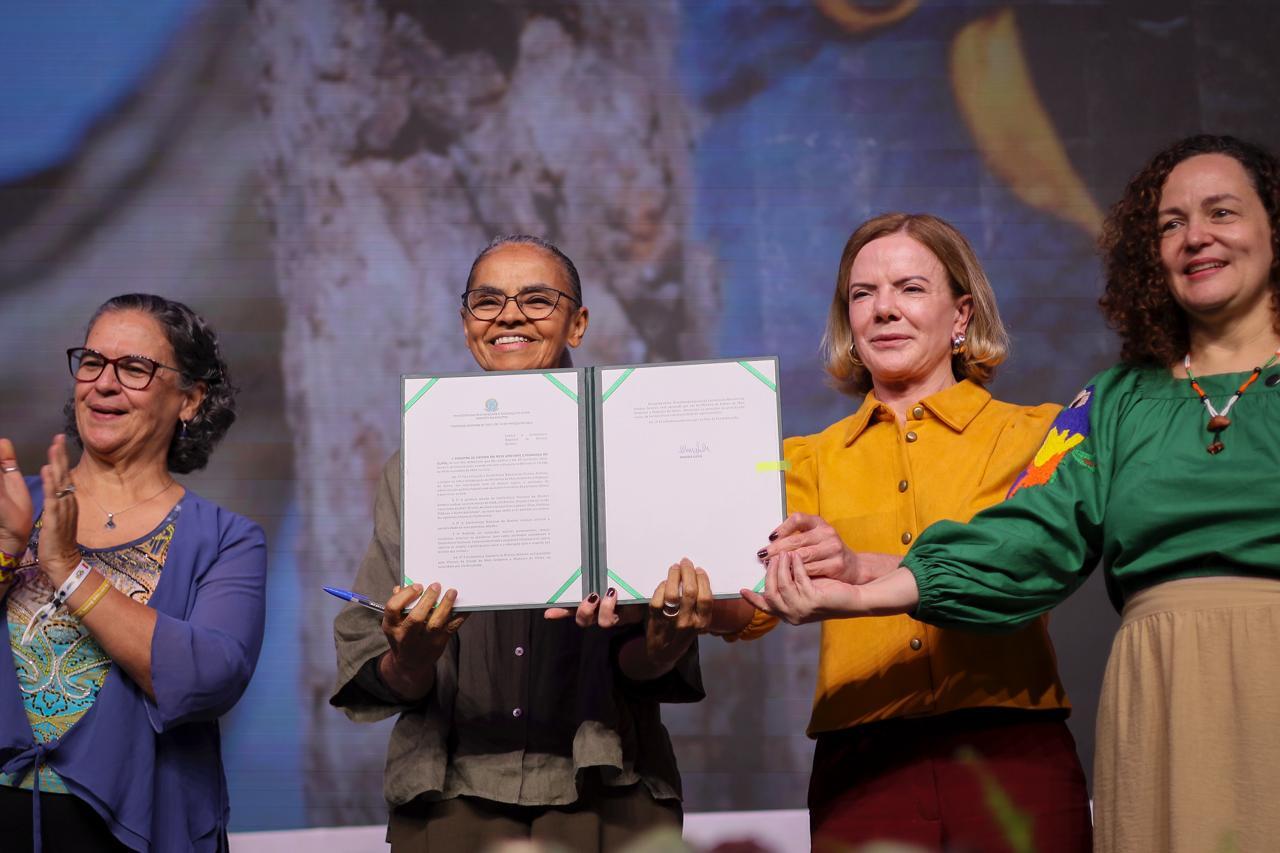
• The announcement of a National Conference on Animal Rights
The conference will bring together representatives from civil society and municipal, state, and federal governments to discuss challenges and propose solutions for animal protection. The process begins with municipal and state conferences across the country, mobilizing thousands of people and allowing local demands to reach the national level. The final result is a document with approved proposals that helps guide laws, national plans, programs, and public funding priorities — giving these policies stronger democratic legitimacy. Participatory conferences like this are considered one of the strongest tools of democracy in Brazil, creating a social and political mandate for governments to implement concrete measures.
• A new federal decree increasing penalties for animal cruelty
• The launch of a national emergency response program for animals
• A new federal policy to support animals rescued during disasters
The mobilization also helped bring food systems into the conversation. In a symbolic and practical step, the entire event catering served 100% plant-based food for more than 1,500 participants, showing that compassionate and sustainable food choices are not only possible — they are already happening.
During the week, activists also had the chance to meet directly with key policymakers, including representatives from the Presidency, members of Congress, and officials from the Ministries of Agriculture and Institutional Relations. In these meetings, civil society leaders raised important topics such as farmed animal welfare, wildlife protection, food systems, and public health.
Beyond the official announcements and meetings, the week created many other ripple effects. Researchers shared new work on farmed animal welfare, advocates introduced tools to track animal-related legislation, activists generated media attention around key issues, and organizations from across the country built new connections and partnerships.
A huge thank you to Vanessa Negrini and to the many organizations that worked together as a task force to make this mobilization possible — including **Animal Equality, Fórum Nacional de Proteção e Defesa Animal, Mercy for Animals, Sinergia Animal, Sociedade Vegetariana Brasileira, ANAA, CONEDAN, Instituto Vida Livre, Ampara Animal, Freeland Brasil, Sea Shepherd Brasil, World Animal Protection, Humane World for Animals, The Donkey Sanctuary and many others.
A special recognition goes to the organizations that voluntarily gave up their grant slots so that more grassroots activists and smaller organizations could attend, since they already had resources to bring their own teams. That gesture reflects the solidarity and coordination that is helping Brazil’s animal protection movement grow stronger.
For us at The Pollination Project, this is exactly what grassroots support is meant to do: empower local leaders, strengthen movements, and help create the conditions for real change.
Brazil’s animal protection movement is growing stronger and more connected — and we’re proud to help pollinate that progress. 🌱
Help More Ideas Take Root
Support more early ideas
Your donation fuels grassroots projects advancing compassion, sustainability, animal welfare, and community-led solutions worldwide.
Have a project like this?
If you’re holding an early idea for change, The Pollination Project is ready to help you bring it to life. Apply for funding!