Location: KENYA
Dr. Susan Atieno Onyango has spent years serving her community as a healthcare provider, working closely with people living with HIV. In clinic after clinic, a troubling pattern kept appearing. Many patients, especially women, were facing micronutrient deficiencies alongside a growing burden of non-communicable diseases such as diabetes, hypertension, and obesity.
Rather than accepting these trends as inevitable, Dr. Onyango began asking deeper questions. Why were these health problems increasing? What structural barriers were shaping people’s diets and livelihoods?
Her search for answers revealed a complex web of causes: limited access to nutritious foods, declining local agriculture, and barriers preventing women from accessing farmland or participating in decisions about food production. At the same time, health literacy about nutrition and disease prevention remained low in many households.
Dr. Onyango envisioned a solution rooted in both health and agriculture, one that would empower women to grow nutritious crops, strengthen food systems, and reclaim agency over family diets and income. With support from a seed grant from The Pollination Project, that vision moved from idea to action.
“Women already carry the responsibility of feeding their families,” Dr. Onyango explains. “When they have access to land, knowledge, and tools, they can transform the health of entire households.”
From Health Concerns to Community Action
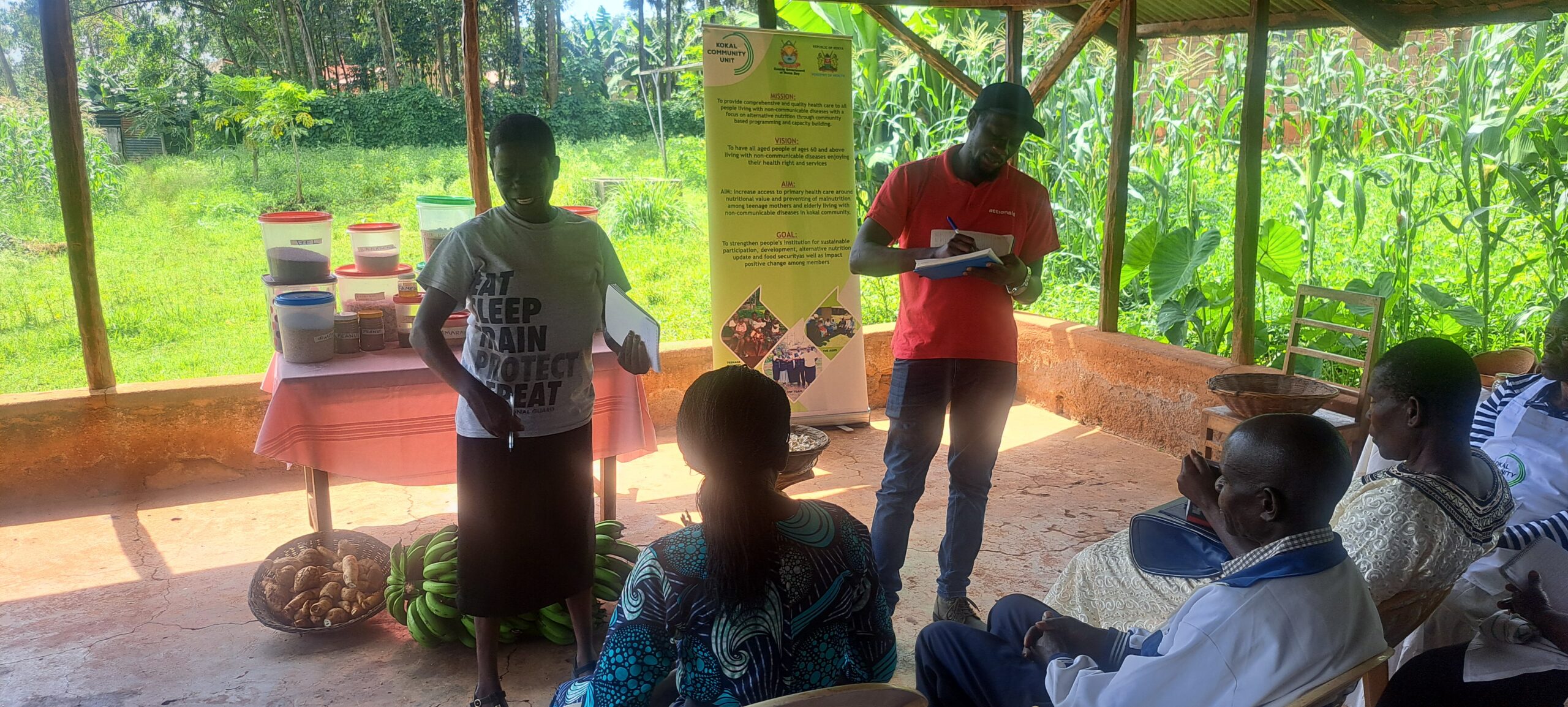
Through her grassroots organization The Healthy Woman, Dr. Onyango launched a project focused on climate-smart agriculture and nutrition education. The initiative brought together women farmers, community leaders, and local agricultural and health experts to tackle food insecurity and prevent diet-related diseases.
The Pollination Project’s grant provided the critical resources needed to begin. With the funding, the team purchased iron-rich bean seeds and orange-fleshed sweet potato vines, two climate-resilient crops rich in nutrients such as iron and vitamin A. Tools, training materials, and compost helped establish demonstration plots where women could learn practical farming techniques.
Over six months, the program trained 48 women farmers in sustainable agriculture, nutrition, and financial literacy while also engaging male community members to support women’s access to farmland.
This approach addressed several challenges simultaneously: improving diets, increasing household food production, and strengthening women’s economic participation.
What the seed grant made possible
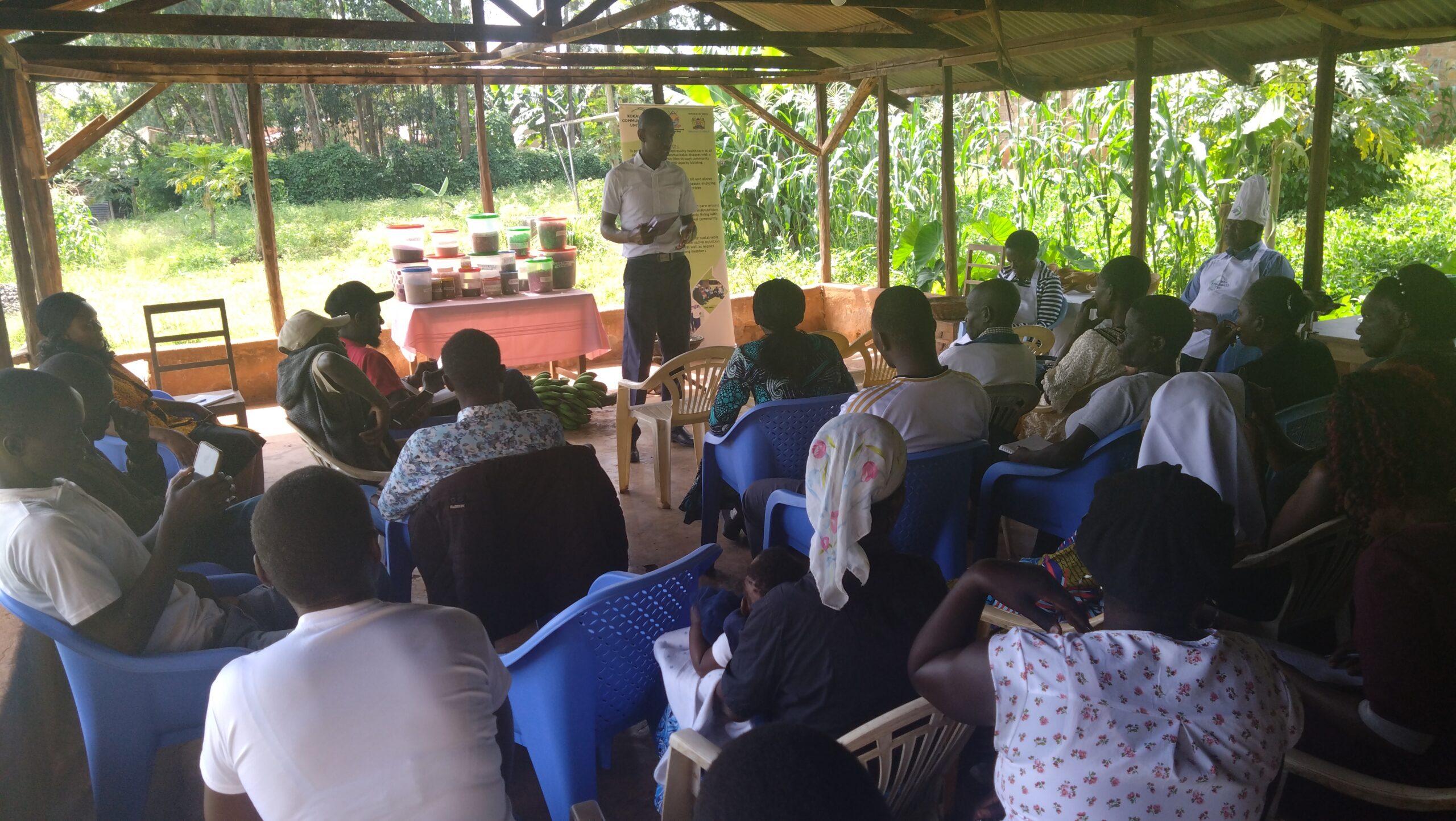
The Pollination Project’s support enabled the project to move quickly from planning to implementation. With the seed funding, the team established five shared demonstration plots, equipped farmers with essential tools such as hoes and watering cans, and facilitated hands-on training sessions on soil conservation, crop management, and organic farming methods.
Participants also received training in nutrition and dietary diversity, an essential step in addressing micronutrient deficiencies affecting many families.
The results were tangible:
- 48 women farmers trained in climate-smart agriculture and nutrition.
- 457 people directly reached, including farmers, households, and community members attending public education sessions.
- 35% increase in agricultural productivity across demonstration plots.
- 30% improvement in dietary diversity among participating households.
- 60% increase in women’s land access and decision-making power
- 150 kg of iron-rich beans and 100 kg of sweet potatoes harvested in the first cycle
- KES 72,000 (about $558) generated through produce sales, creating new income streams for participants.
Beyond numbers, the project helped shift community perceptions about women’s roles in agriculture and leadership.
To address barriers to land ownership, the program also engaged male champions who advocated for women’s access to farmland. This collaboration resulted in shared plots where women could grow crops collectively, an important step toward more equitable agricultural systems.
Voices from the Community
For many participants, the project has brought a renewed sense of confidence and possibility.
“This land is now ours to feed our families,” said Mama Millicent, one of the women farmers involved in the project.
Another participant, Mama Mary, reflected on the broader impact:
“We not only have knowledge on dietary diversity, we can now confidently grow climate-smart crops that help diversify our diets, feed our families, sell the surplus, and reinvest the income into our businesses and savings groups.”
Through peer learning and shared leadership, the women involved in the program are already mentoring neighbors and expanding the reach of the knowledge they gained.
Growing Resilience for the Future
The success of the pilot phase has laid the groundwork for future expansion. Women-led groups continue to manage the demonstration plots while saving seeds for the next planting cycle. Plans are underway to expand training to additional farmers and integrate the program with local health initiatives.
By linking sustainable agriculture, women’s empowerment, and community health, Dr. Onyango’s work demonstrates how grassroots innovation can strengthen local food systems while addressing long-term public health challenges.
The Pollination Project’s seed grant served as the catalyst that brought this initiative to life, supporting a locally led solution with ripple effects across households and communities.
Small investments in early-stage ideas often unlock powerful change. In Homa Bay, those seeds are already growing.
This TPP grant catalyzed vital change in Homa Bay, proving small investments yield outsized nutrition and empowerment gains…
TPP’s streamlined process was exemplary: The money transfer process was simple; flexible reporting supported our timing of late start of the project.
Help More Ideas Take Root
Support more early ideas
Your donation fuels grassroots projects advancing compassion, sustainability, animal welfare, and community-led solutions worldwide.
Have a project like this?
If you’re holding an early idea for change, The Pollination Project is ready to help you bring it to life. Apply for funding!