Location: Ogun State, NIGERIA
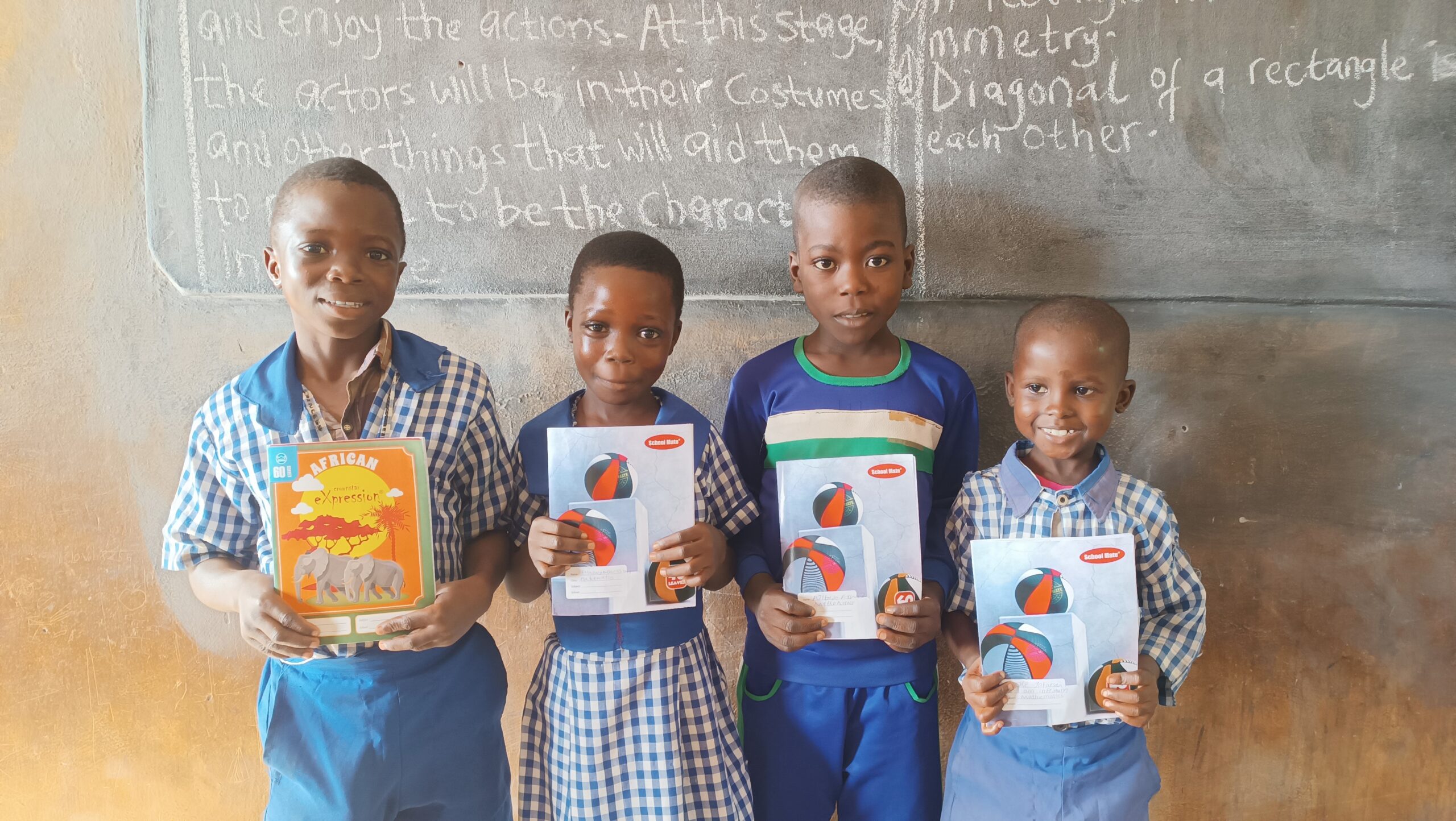
Edidiong Okon Ekong has spent years watching her students arrive at Baptist Day School in Oke Odan, Ogun State, Nigeria, carrying something heavier than their backpacks — hunger. As a Teach for Nigeria fellow and dedicated educator in one of the country’s low-income communities, she understood early on that a child who cannot eat cannot truly learn. That realization became the seed of something transformative.
“I have seen firsthand how hunger affects my students,” Edidiong reflects. “Many come to school on empty stomachs, struggling to concentrate and learn. It became clear to me that their academic success is deeply connected to their well-being.”
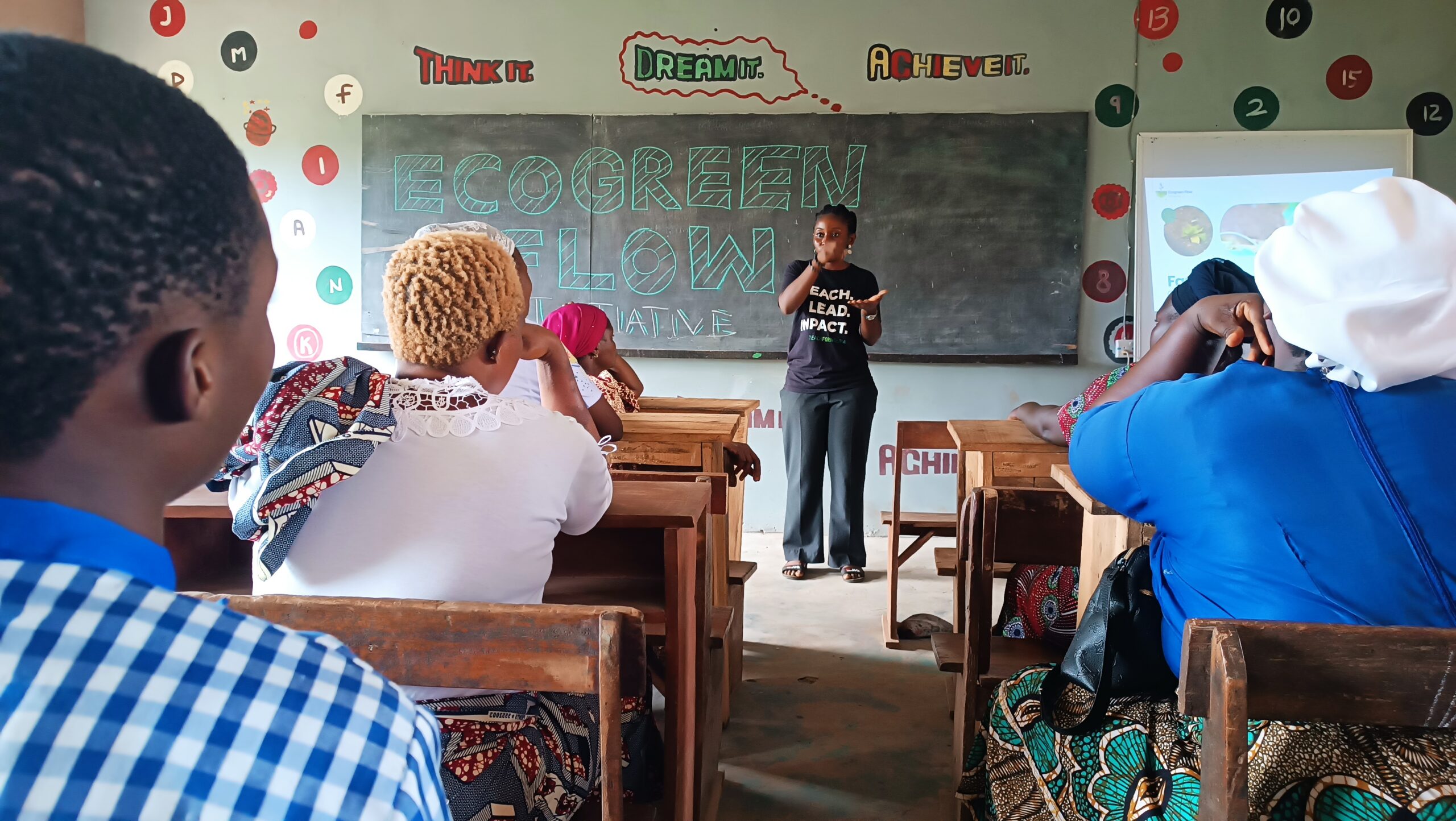
Together with her partner, she channeled that conviction into the EcoGreen Flow Initiative — a school-based sustainability and food security project designed not only to feed students, but to educate, empower, and equip them with skills that will outlast any single harvest.
What the seed grant made possible
When The Pollination Project awarded Edidiong a seed grant through its Daily Grant Program 2025, it did more than fund a farm. It gave a vision the tools it needed to take root.
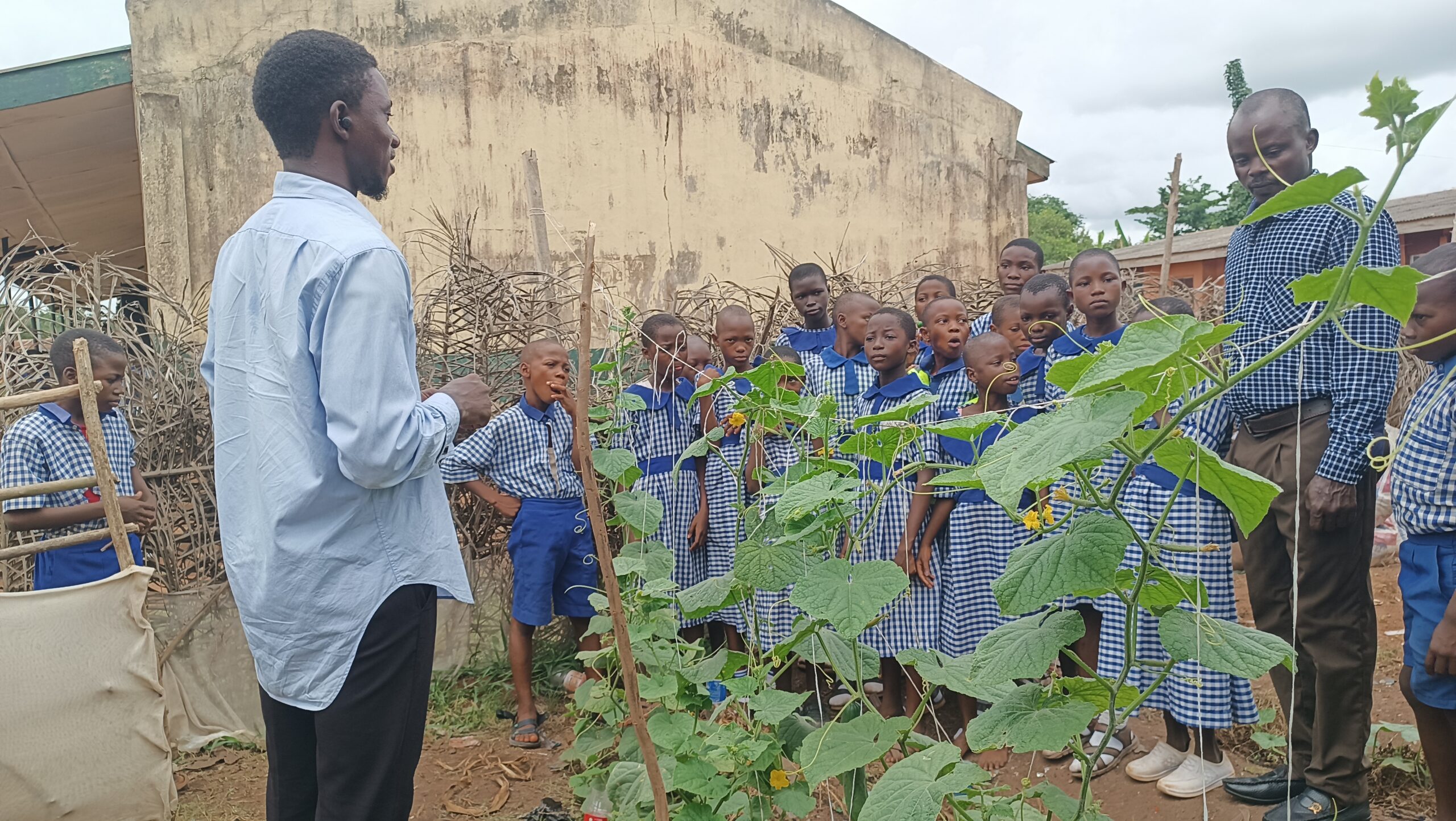
With the grant, the initiative purchased essential agricultural inputs — hybrid seeds, seed trays, organic fertilizer, grow bags, organic pesticides, a 16-litre sprayer, watering cans, hoses, shovels, hoes, and bamboo supports — totaling 336,300 Nigerian Naira (approximately $240 USD). Every item was deliberately chosen to establish a full tomato cultivation cycle, from nursery to harvest, using sustainable and organic farming methods.
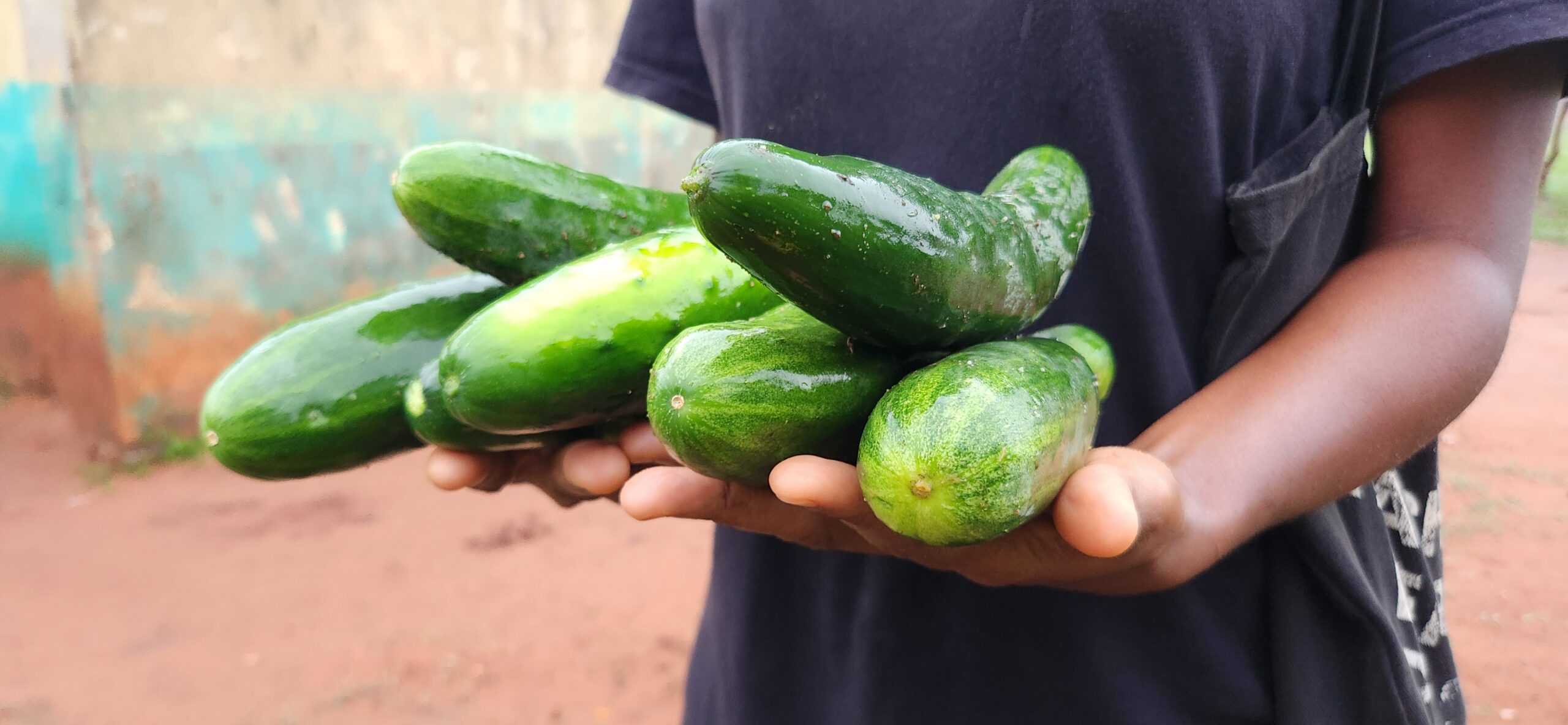
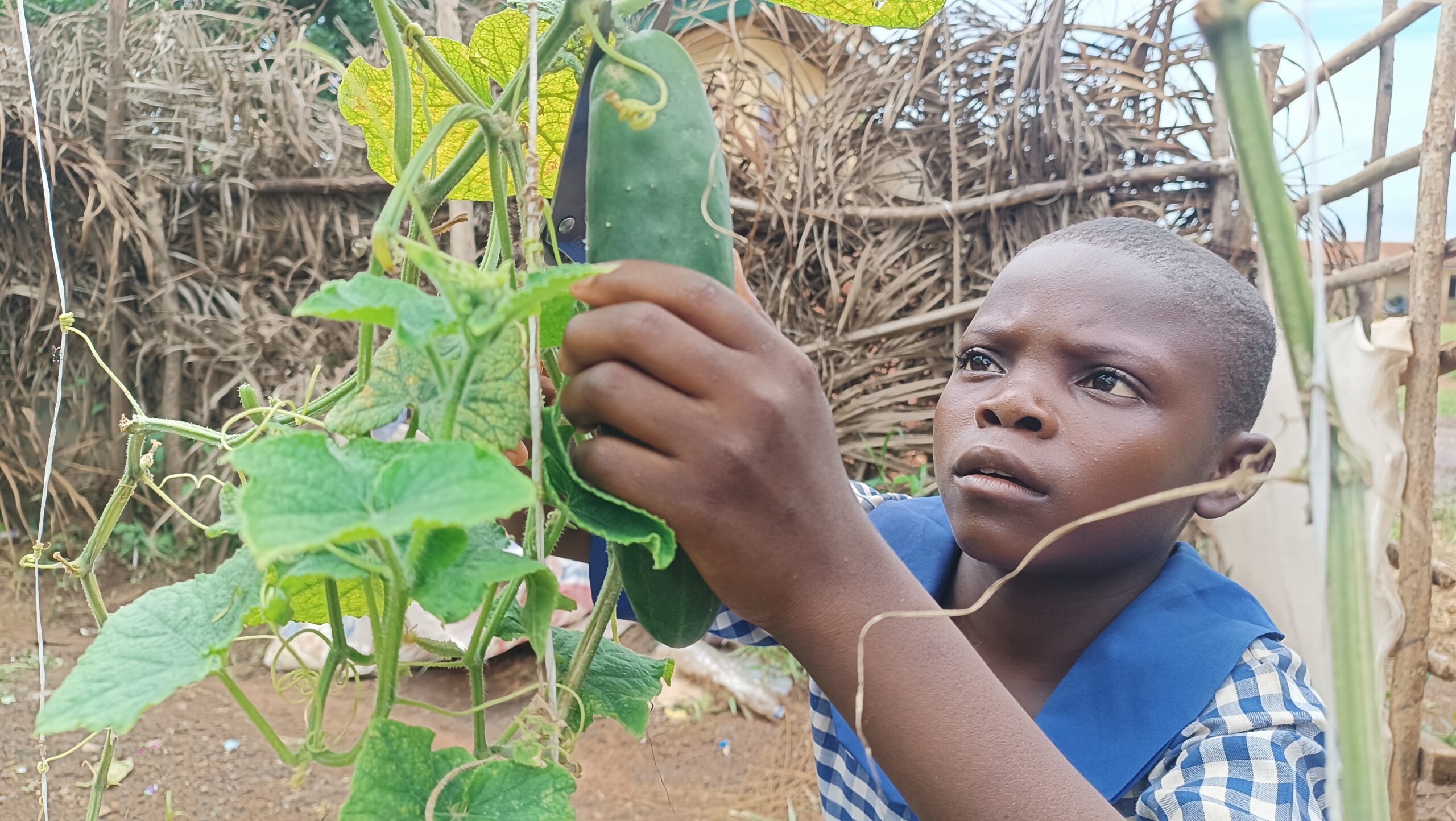
The results were immediate and measurable: 400 direct beneficiaries — 230 students, 150 parents, and 20 teachers — participated actively in farm activities, training sessions, and community engagement. The project generated $50 in income from harvested produce, directly reinvested into the community, and 2 children were supported back into school through those revenues. Parents didn’t just observe — 150 were trained in organic agriculture and sustainable farming practices. Together, participants contributed 300 volunteer hours, turning a patch of school land into a living classroom. Students cleared land, prepared seed trays, transplanted seedlings, managed crop growth, and harvested mature tomatoes — learning every stage of the agricultural process through direct experience. A short video captured by the team shows students confidently explaining soil preparation and organic pest control, a testament to how rapidly knowledge took hold.
“The grant allowed us to fully operationalize the school farm and implement structured farming activities within the school,” Edidiong says. “It has increased student engagement and built confidence among learners.”
A Foundation for the Future
The EcoGreen Flow Initiative is designed with sustainability at its core. Produce revenues are reinvested into the farm to ensure continuity. Looking ahead, Edidiong plans to introduce a wider variety of crops, begin composting organic waste, improve irrigation infrastructure, and seek new partnerships to scale the project’s reach. For The Pollination Project, this is precisely the kind of grassroots, community-led work that a seed grant is meant to catalyze — a single, well-placed investment multiplying into educational access, food security, environmental awareness, and economic empowerment.
The Harvest Is Only Beginning
n Oke Odan, a teacher’s refusal to accept hunger as an obstacle has grown into a model of what schools can become: places not only of learning, but of nourishment, innovation, and hope. “The support has laid a strong foundation for long-term growth and impact,” Edidiong says — and the harvest is only beginning.

Help More Ideas Take Root
Support more early ideas
Your donation fuels grassroots projects advancing compassion, sustainability, animal welfare, and community-led solutions worldwide.
Have a project like this?
If you’re holding an early idea for change, The Pollination Project is ready to help you bring it to life. Apply for funding!