Location: NIGERIA
A shy student stepped up during a Yoruba biology quiz on the radio and explained ecology with steady confidence. Afterward, her grandmother spoke up too, astonished by what she’d just heard. She told the team she had “never heard her granddaughter so excited about school.”
That single moment holds the heartbeat of Ìmọ̀Ẹ̀dá: Biology in Yoruba Education Initiative and the reason Samuel Ajayi-Waldorf built it.
Samuel is a certified educator, a Yoruba speaker, and a microbiology graduate of the University of Ibadan. He has spent years teaching life sciences and supporting science learning through radio, close enough to see what happens when brilliant students meet advanced biology in a language that feels distant. The energy drains first. Then the questions stop. Then the learner decides, quietly, that science is for someone else.
Ìmọ̀Ẹ̀dá is Samuel’s answer: rigorous STEM education that honors language access and cultural identity, so students can engage deeply with biology without losing themselves in translation. Over eight months, the project developed bilingual biology materials that made scientific concepts more accessible “through students’ native language while preserving traditional knowledge.”
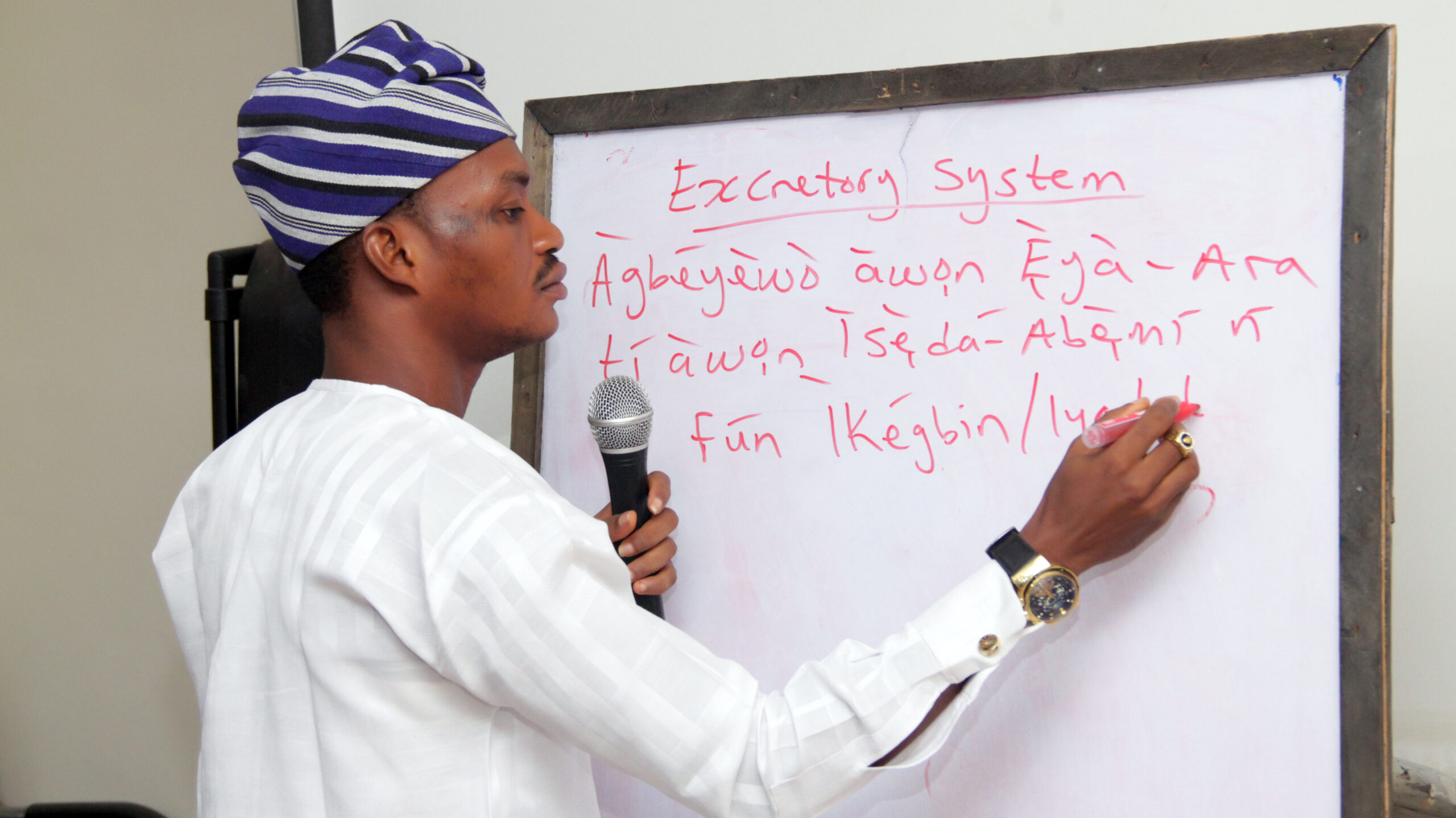
The Heart of the Work: Students and Teachers
Ìmọ̀Ẹ̀dá supported Yoruba-speaking secondary school students through school-based learning and community education, working across 11 secondary schools in Oyo State and Kaduna.
The project’s focus sits at a powerful intersection of education equity, mother-tongue STEM learning, and traditional ecological knowledge, helping students understand biology while valuing what communities already know about the living world.
This included documenting 50 local plant species with Yoruba names and medicinal uses, an act of learning that naturally connects to agriculture, biodiversity, and community health.
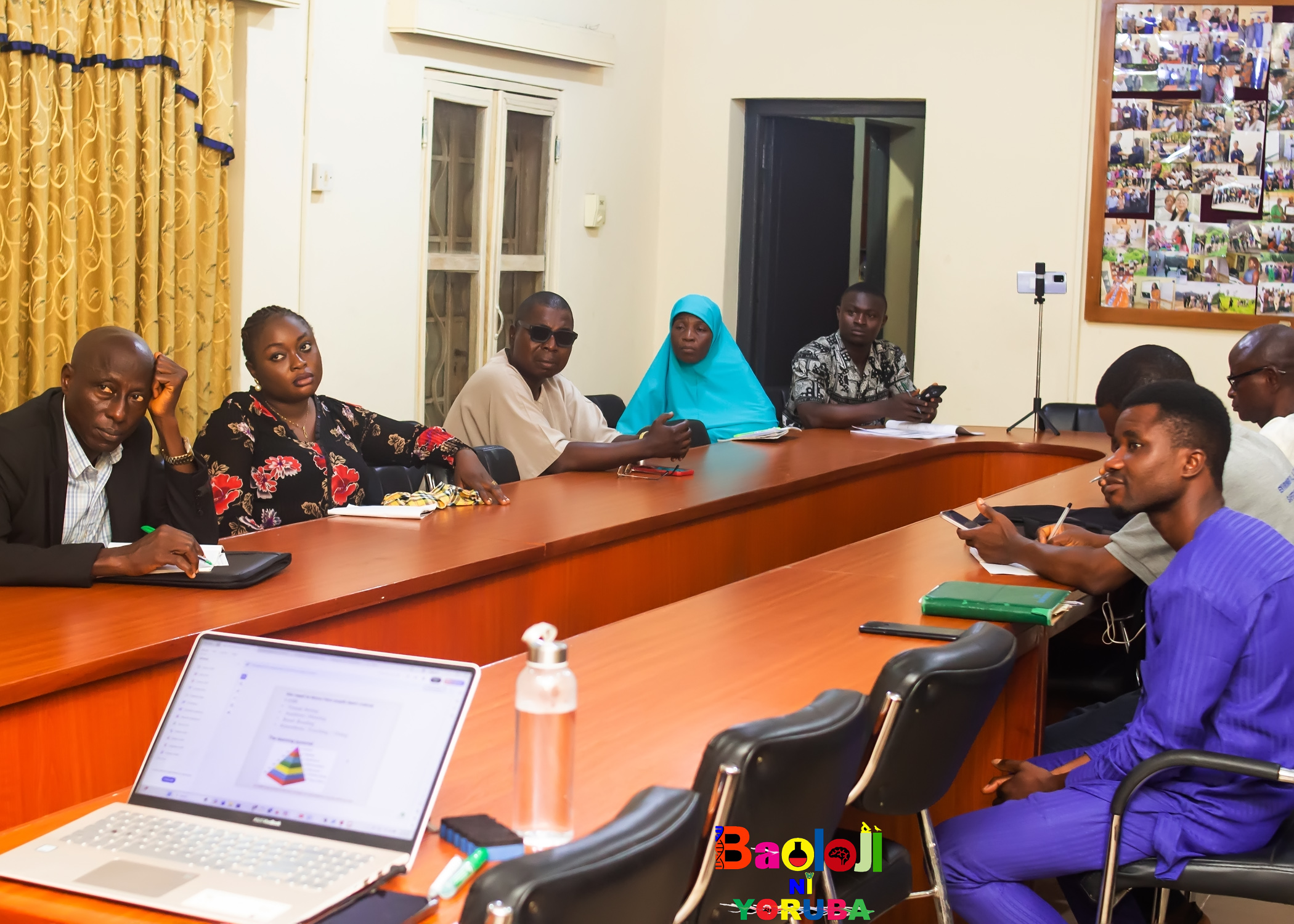
What the seed grant made possible
TPP’s seed funding arrived at the stage that matters most: when a community-led solution is proven in spirit, but still needs resources to become real in classrooms, on air, and in the hands of teachers.
In Samuel’s words, “The Pollination Project grant was transformative… being selected as a TPP grantee gave our project credibility that opened many doors.”
When schools and officials heard TPP’s name, the project was taken seriously: faster partnerships, clearer access, and more room to deliver results.
With TPP support, Ìmọ̀Ẹ̀dá was able to:
- Reach 740+ students with bilingual biology learning across those 11 schools
- Train 20 biology teachers to integrate Yoruba language and indigenous knowledge into science lessons
- Create Yoruba-language materials across six major biology topics
- Strengthen a model designed for replication, with Samuel noting that the TPP grant enabled “a sustainable model for culturally relevant science education” across Nigeria
And the impact went beyond participation. Student test scores improved by 35%, and students showed increased confidence and participation.
By the end of the grant period, the initiative had directly impacted 767 people, powered by 560 volunteer hours, a reflection of how much the community believed in this approach.
This is what early-stage philanthropy can do when it’s timely and trust-based: a modest seed grant that unlocks momentum, partnerships, and measurable outcomes – without diluting the community voice that made the idea worth funding in the first place.
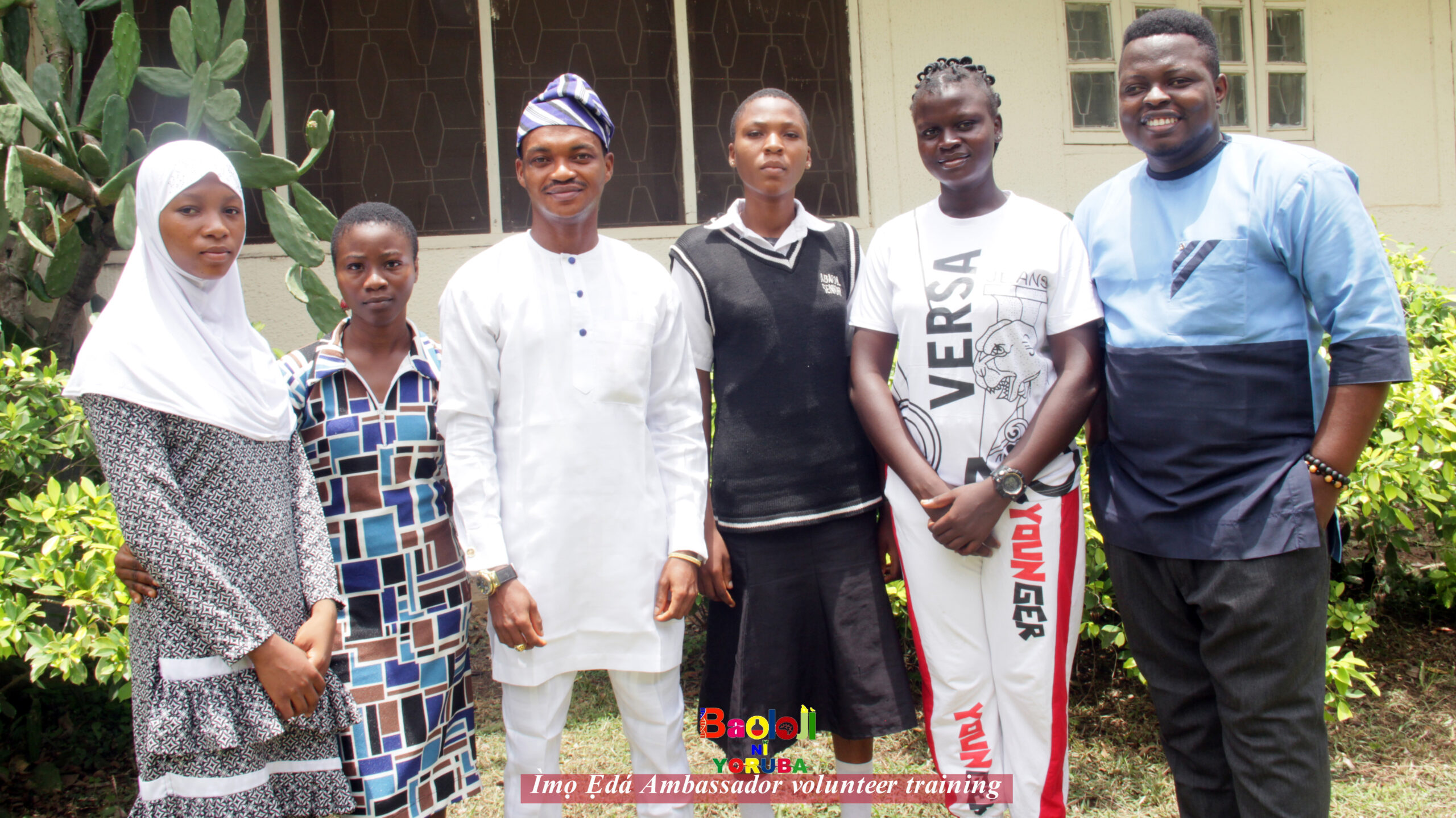
We are deeply grateful to TPP for believing in our vision when we were just starting. Your support proved that small grants can create big ripples. Thank you for investing in our community’s future.
Help More Ideas Take Root
Support more early ideas
Your donation fuels grassroots projects advancing compassion, sustainability, animal welfare, and community-led solutions worldwide.
Have a project like this?
If you’re holding an early idea for change, The Pollination Project is ready to help you bring it to life. Apply for funding!