Location: Charlotte, North Carolina, USA
Kika Jackson has always believed that healing begins close to the ground. As the founder of Kika’s House, a grassroots wellness and economic mobility organization rooted in West Charlotte, she has spent years building programs that meet her neighbors where they are, whether through fitness, nutrition education, financial literacy, or hands-on community gatherings. Her vision has never been about charity handed down from a distance. It has been about neighbors growing something together, literally and figuratively.
That vision found its fullest expression in a community garden in ZIP code 28208, a neighborhood with limited access to green space and fresh produce. With a $500 mini-grant from The Pollination Project’s Daily Grant Program 2025, Kika’s House transformed that garden into a pollinator-friendly, food-producing learning space that strengthened community wellness and environmental stewardship at once.
What the seed grant made possible
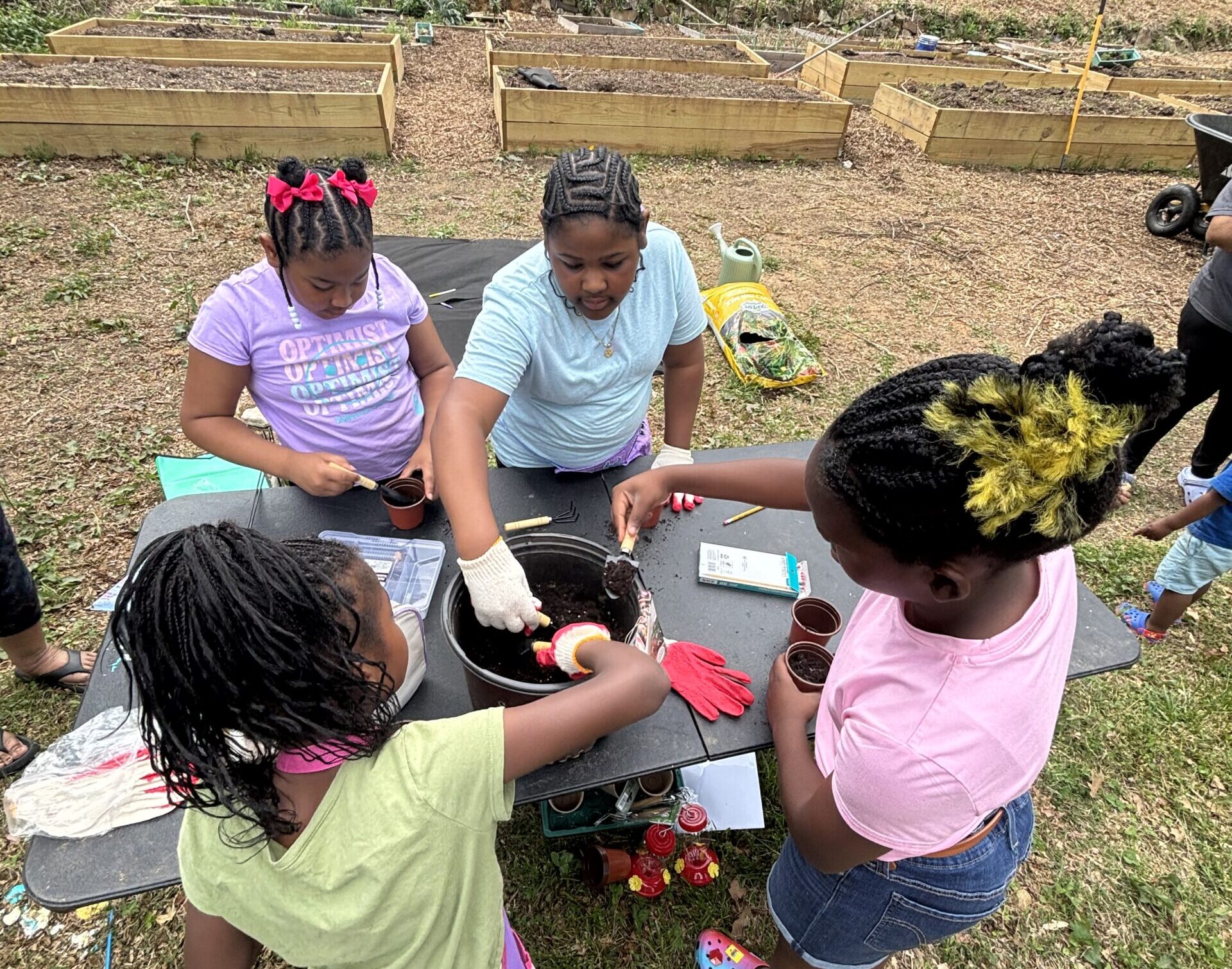
The TPP grant went directly into the soil. Kika used the funding to purchase 120 vegetable seedlings, 30 herb seedlings, 2 hibiscus plants, 2 seed packages, soil conditioner, and Garden Max bulk soil. Every dollar had a destination. Every plant had a purpose. By the end of the grant period, the project had reached 100 direct participants, logged 1,000 volunteer hours, and generated before-and-after documentation showing measurable growth in plant diversity, bed expansion, and pollinator activity across the site.
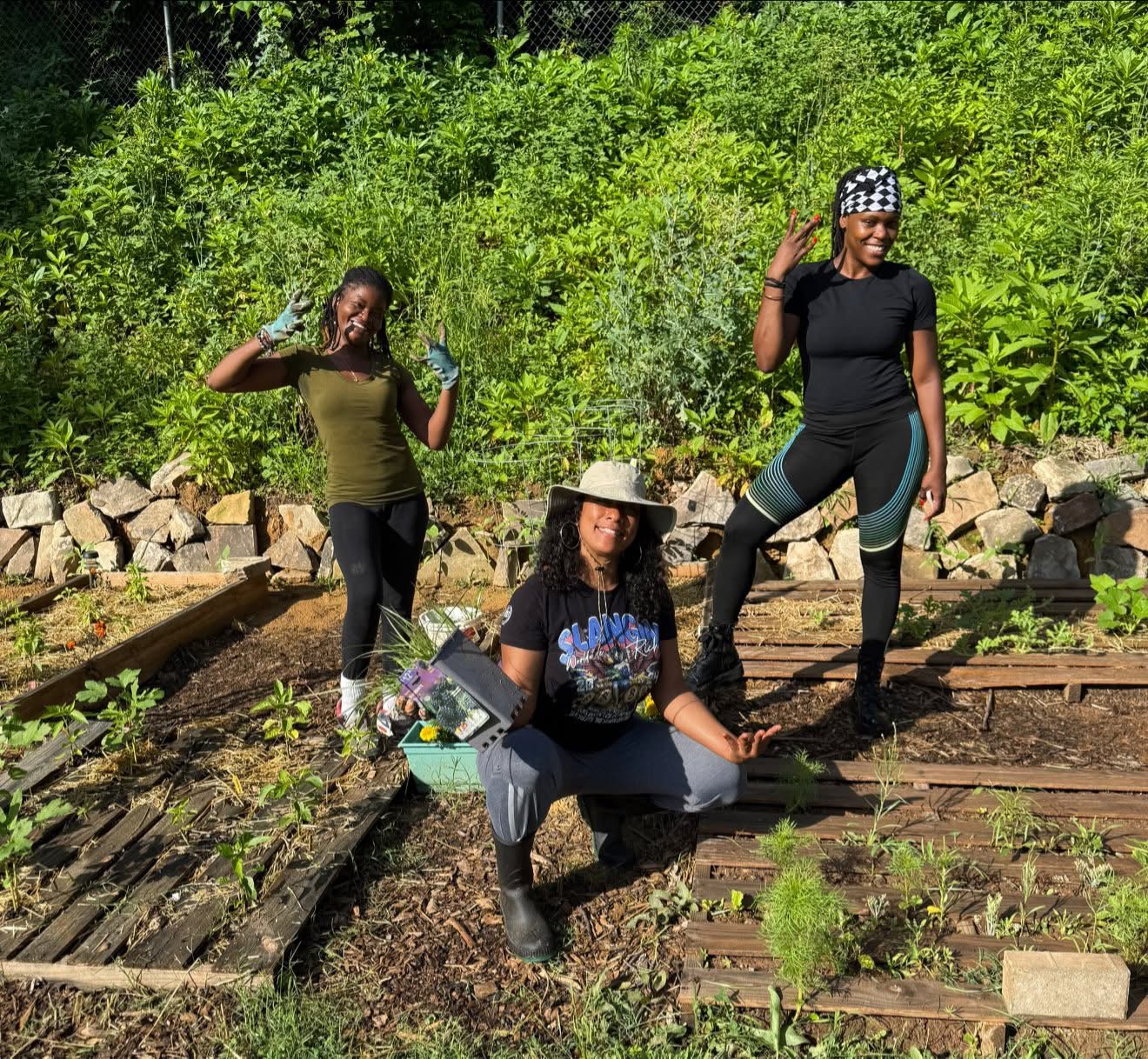
The result was an expanded garden with increased biodiversity, new raised beds, and a richer variety of culturally relevant foods that reflected the community it served. Fruit trees, herbs, and native pollinator plants now support bees, butterflies, and other beneficial species, building an ecosystem that gives back season after season. These are not abstract outcomes. They represent neighbors with greater access to fresh food, young people who understand where their meals come from, and a neighborhood green space that did not exist at this scale before a grassroots grant made it possible.
“This investment allowed us to expand our beds, increase biodiversity, and grow a vibrant space where West Charlotte families learned, healed, and thrived,” Kika wrote in her project report.
Philanthropic seed funding of this kind, small in dollar amount and significant in consequence, is exactly what The Pollination Project was designed to provide. A $500 grant did not just buy plants. It created infrastructure for a community to feed itself.
Growing Food, Growing People
The garden was never meant to be decorative. Through youth, family, and wellness programming woven into every growing session, participants learned how pollinators impact food systems, how soil health connects to human health, and how growing one’s own food is an act of self-determination. Workshops brought together approximately 100 direct participants across the grant period, each one actively engaged with the garden space, the plants, or the educational activities that surrounded them.
Children and families who might never have held a trowel or planted a seed found themselves doing both, and asking questions that stretched far beyond the garden bed. What do bees do for our food? Why does soil need to rest? How does what we grow connect to how we feel?
“Through our youth, family, and wellness programming, participants learned how pollinators impact food systems, soil health, and overall community health,” Kika noted. “We taught neighbors how growing culturally relevant foods, protecting pollinators, and improving nutrition all work together for long-term well-being.”
A Foundation That Keeps Growing
The Pollination Project’s early investment did more than fund a single growing season. It positioned Kika’s House to pursue, and win, additional support. In 2026, the organization was selected as a recipient of the GroMoreGood Grassroots Grant and Equity Award, receiving $1,500 to deepen its community garden initiatives, a direct result of the credibility and demonstrated impact built with TPP’s backing.
“Your early support helped strengthen our foundation and positioned us to pursue and secure additional opportunities,” Kika wrote. “We are grateful for the role your funding has played in helping us grow both our programming and our credibility as a community-rooted organization.”
Next steps for Kika’s House include strengthening their Fight For Your Life wellness cohorts, scaling nutrition education and financial literacy programming, and continuing to deepen the garden as a site of both food access and community healing.
Seed Grants, Real Change
What happened in West Charlotte is a precise illustration of what grassroots philanthropy, community-led solutions, and environmental stewardship can produce together when they meet a committed leader with a clear vision. A $500 investment in vegetable seedlings, native pollinator plants, and organic soil became a living classroom, a fresh food source, and a gathering space for a neighborhood that needed all three.
Kika Jackson did not wait for the conditions to be perfect. She built the conditions herself, with her neighbors, and with a seed grant that trusted her to do exactly that.
Help More Ideas Take Root
Support more early ideas
Your donation fuels grassroots projects advancing compassion, sustainability, animal welfare, and community-led solutions worldwide.
Have a project like this?
If you’re holding an early idea for change, The Pollination Project is ready to help you bring it to life. Apply for funding!