Location: USA
Indiana Assistance to Immigrants in Detention (Indiana AID) exists for a reality many people never have to see: immigrants held in ICE detention can go hungry, lose contact with family, and sit in uncertainty with few resources and fewer advocates. Indiana AID was created to break that isolation, through practical support, steady communication, and community pressure that keeps detention from disappearing into the background.
This work is rooted in a simple commitment: when someone is confined and cut off, someone else should still be able to reach them—with care, information, and the basics that protect dignity.
What their work looks like—every week
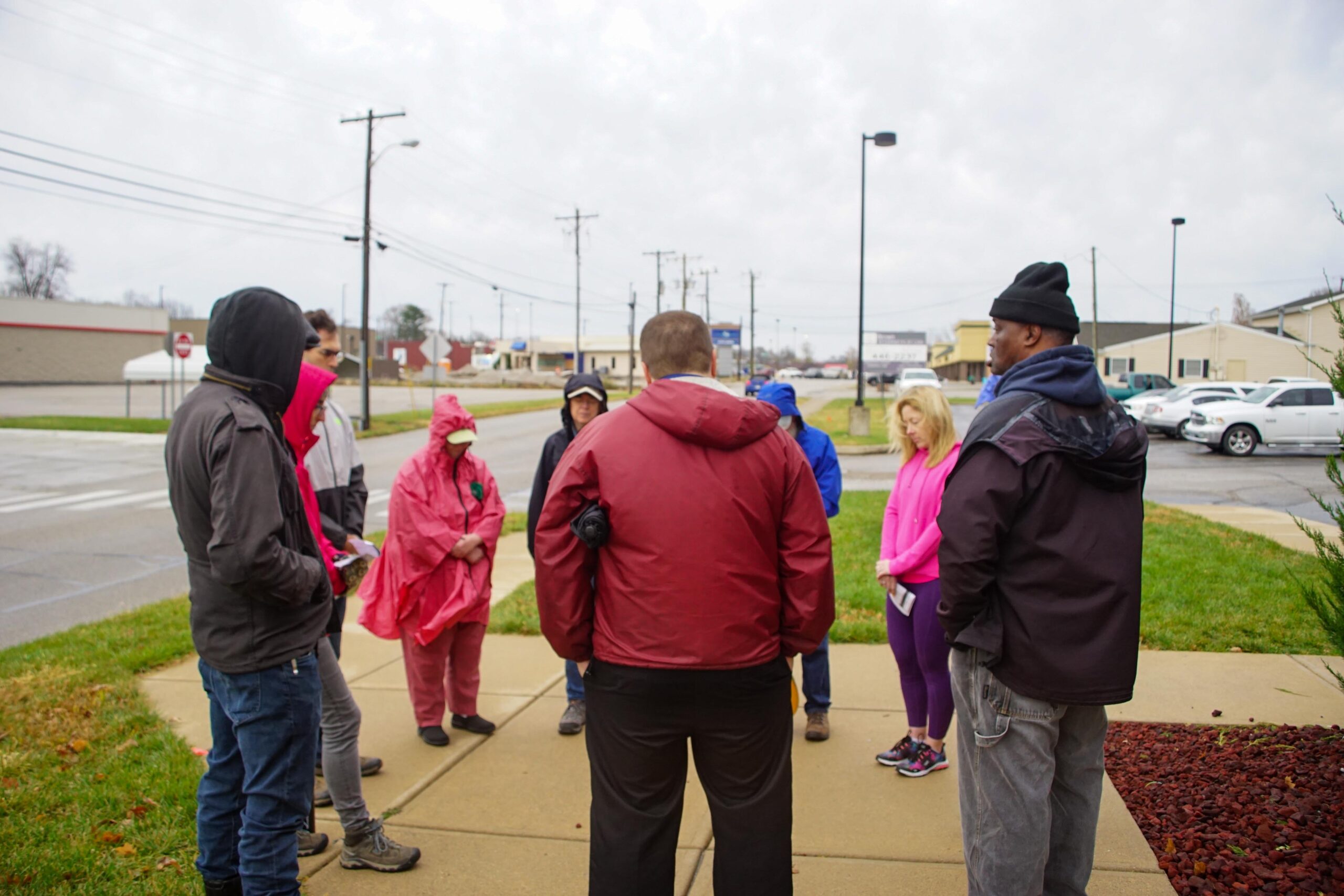
Indiana AID supports immigrants detained under ICE in Indiana, including people held in a county jail used for immigration detention. Volunteers connect through consistent virtual visits and ongoing communication, listening closely and responding to immediate needs that can’t wait.
Often, the needs are painfully basic: food, hygiene items, and medicine—items that become inaccessible when someone is detained. Indiana AID provides commissary support so people can purchase essentials, and they deliver books by request—small pieces of autonomy and mental relief inside a controlled environment. They also help families trying to locate loved ones, understand what is happening, and find legal resources.
Indiana AID’s outreach doesn’t stop at direct aid. They document what detained immigrants report and elevate concerns when needed. They’ve created ways for detained individuals to share poems and personal narratives through a newsletter, opening a channel for the public to hear directly from people living inside the system.
What the seed grant made possible
Detention is designed to disrupt. The most effective support is the kind that stays consistent: a message sent, a visit kept, an essential need met without delay. The Pollination Project’s seed grant strengthened Indiana AID’s ability to deliver that consistency, turning community care into dependable action.
The grant helped fund:
- Commissary deposits so detained immigrants could access food and essential items
- Weekly virtual visits, supporting connection in a setting built to isolate
- E-messaging resources so communication and resource-sharing could continue
- Books by request, supporting mental well-being during confinement
Because the grant was flexible, it could meet people where the need was immediate, without forcing the project into rigid categories or slow timelines. That’s the power of seed funding: it supports frontline solutions while they are actively saving someone’s day.
From one reporting period tied to the seed grant, Indiana AID documented:
- 45 people directly supported
- 100 volunteer hours mobilized
- 31 individuals supported through commissary payments
- 15 virtual visits provided
- $1005.11 invested in direct support through commissary, visits, books, and messaging resources
And the broader arc of impact is even clearer:
In 2025, Indiana AID provided over $45,000 in direct aid to immigrants in ICE detention.
That number represents more than dollars. It represents meals, medication, hygiene, communication, and the ability to endure confinement with a little more stability and a little less fear.
Why this matters right now
Across the United States, immigration policy debates translate into lived consequences—families separated, people detained far from their communities, and basic needs turned into paid transactions. In moments when public attention shifts quickly and the human cost remains steady, grassroots projects like Indiana AID keep showing up where it’s hardest to be seen.
The Pollination Project’s grant helped ensure that presence was consistent. It fueled a project that doesn’t wait for the perfect conditions to help; it meets people in the conditions they are already living through.
Indiana AID’s work offers a clear reminder of what trust-based philanthropy can do: place resources in the hands of communities closest to harm, then watch those resources become care, connection, and real protection for human dignity.
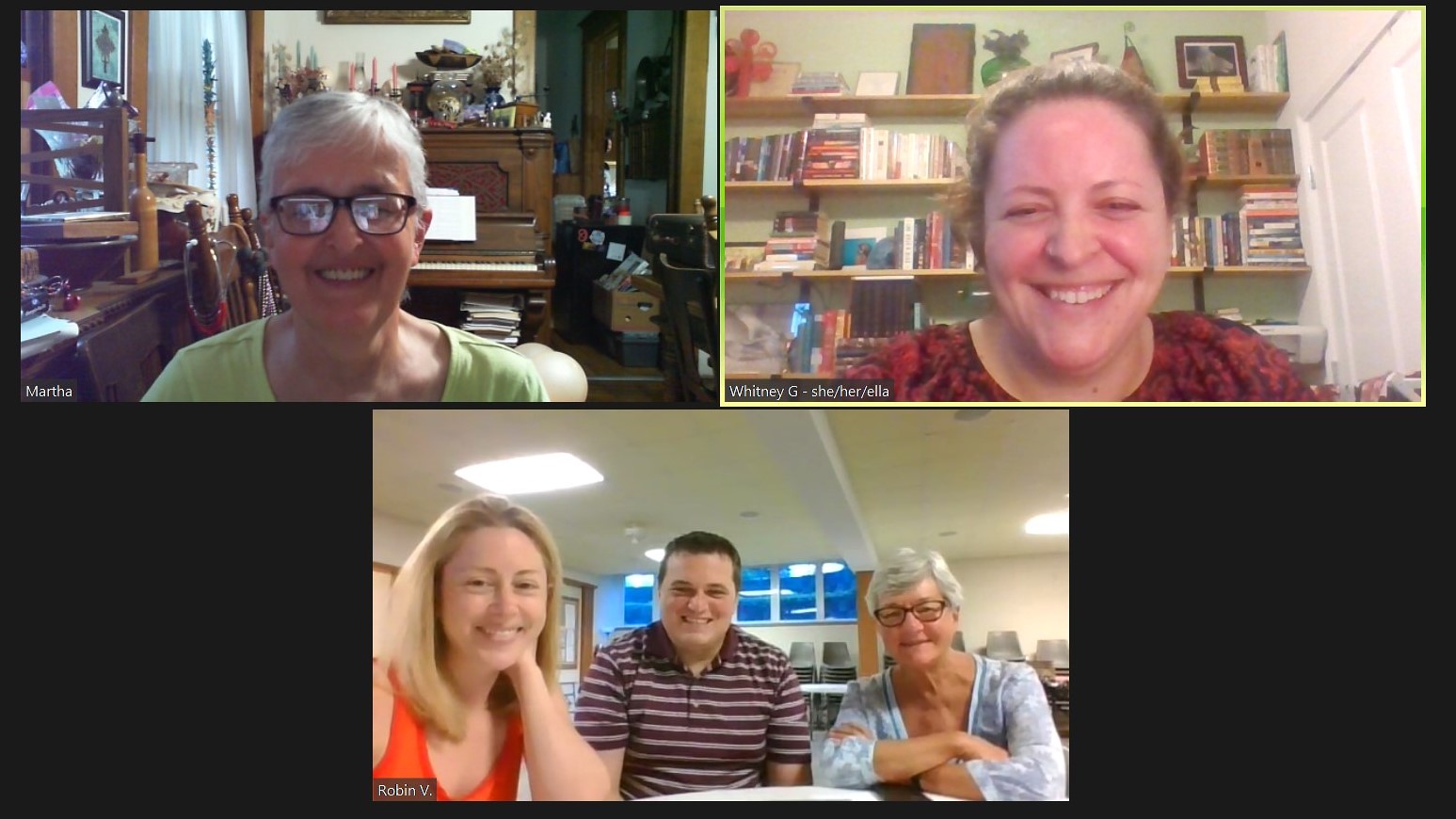
We are very grateful to the Pollination Project for helping us to support the immigrants detained within the Clay County jail. We are grateful for the support in building our program.
Help More Ideas Take Root
Support more early ideas
Your donation fuels grassroots projects advancing compassion, sustainability, animal welfare, and community-led solutions worldwide.
Have a project like this?
If you’re holding an early idea for change, The Pollination Project is ready to help you bring it to life. Apply for funding!