Location: GUATEMALA
The Project
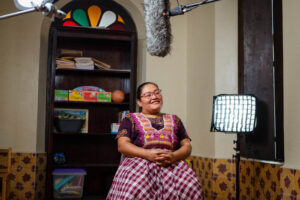
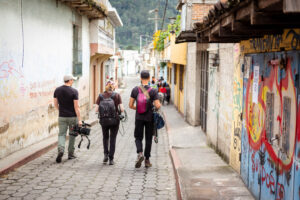
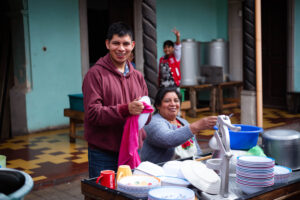
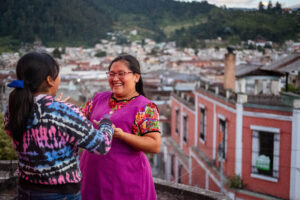
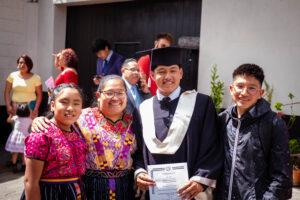
In the highlands of Xela, Guatemala, the story of Margarita, a Maya mother of five, unfolds through a lens both intimate and urgent. “Margarita,” a short documentary by independent filmmaker Kristin Zimney, follows its namesake as she revisits a painful past while nurturing hope for a brighter future. Margarita left school at age 11, became a mother at 13, and by 15 had three children. After the death of her mother and her husband’s departure to the United States, she was forced to give up her third child. Years later, she found refuge and purpose at Education and Hope, a nonprofit that gave her a second chance at education and dignity. The film captures her journey as she prepares for her 33rd birthday and the graduation of two of her children, including the daughter she was once compelled to surrender. As Margarita reflects, “No hay mejor ejemplo más que mi vida” – “There’s no better example than my own life.”
The Impact of the Seed Grant
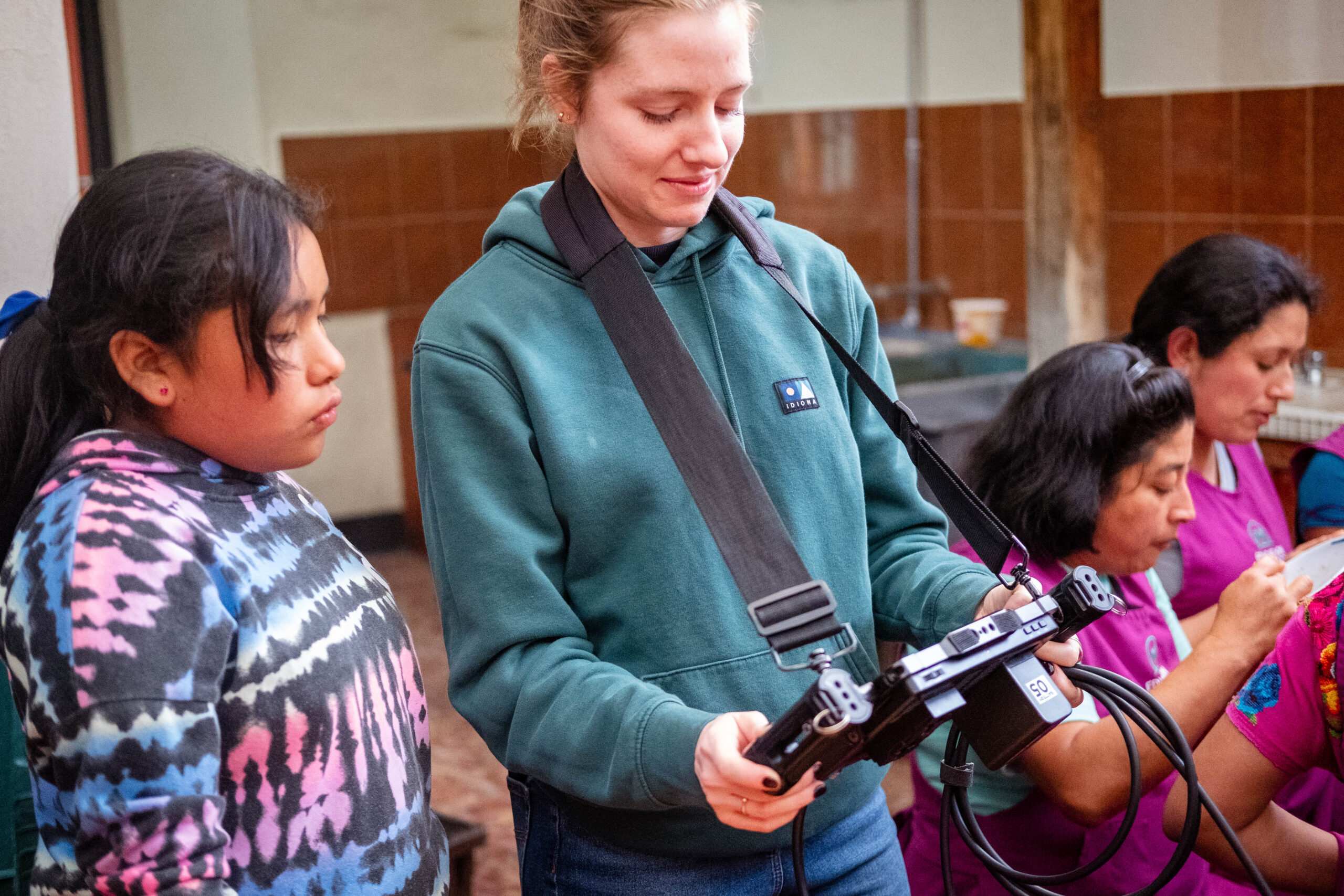
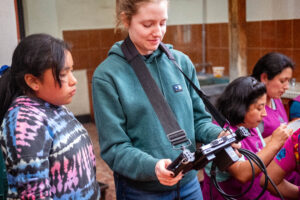
Support from The Pollination Project was instrumental in bringing this story to life. A seed grant helped cover the cost of professional camera equipment rentals, an essential piece of the production that allowed the team to capture Margarita’s world with cinematic depth and care.
“The funding gave us what we needed to take this from vision to reality,” said Zimney.
But the impact reached beyond the technical. For Margarita and others featured in the film, the process offered a profound sense of validation.
“Seeing their lives and their town portrayed for international audiences offers a powerful sense of visibility, dignity, and agency.”
In a region where indigenous communities are often underrepresented in media and overlooked by institutions, the film stands as both testimony and counter-narrative. The documentary has already sparked meaningful dialogue within the community and the crew, underscoring its emotional and cultural weight even before its release.

The Future
With post-production nearing completion, the team is preparing for a strategic rollout beginning with submissions to festivals across the U.S., U.K., and Latin America. The goal is not only to secure screenings, but to raise awareness of the systemic barriers indigenous women face and to direct attention and resources toward Education and Hope. Plans include digital distribution through platforms known for socially conscious storytelling, such as WaterBear Network and The Guardian Documentaries. The team is also designing a profit-sharing model to ensure that proceeds benefit both the community and the contributors to the film.
“This project was never just about telling a story,” Zimney shared. “It’s about making sure that story moves people, and moves resources, to where they’re needed most.”
“ Beyond just finishing the film, this grant has contributed to something larger: giving voice to a community rarely represented on screen.“





Kristin Zimney
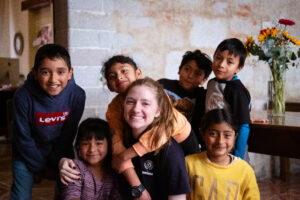
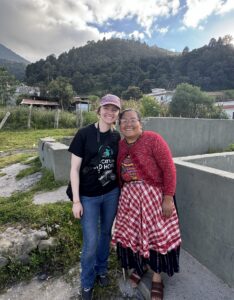 Kristin Zimney is an American documentary filmmaker based in London, England, with a deep commitment to storytelling that highlights human rights and social issues. Originally from Washington, D.C., she began her filmmaking journey at James Madison University, where her first documentary profiled the life of an undocumented immigrant from El Salvador. She later earned a Master’s degree in Ethnographic and Documentary Film in London. Currently, Kristin works as a videographer for the Royal Borough of Greenwich, creating content that brings attention to pressing social challenges within the community. Fluent in Spanish and driven by a strong interest in women’s stories, Kristin brings a unique, cross-cultural perspective to her work, amplifying underrepresented voices and using film as a bridge between communities and cultures.

Join The Pollination Project in seeding a global movement of grassroots change. When we invest in passionate local leaders, small acts of generosity blossom into lasting impact. Every dollar you give takes root in communities, growing into sustainable solutions that touch countless lives.