1k Sanitary Pad Project
OKWIR WALTER – Uganda 2021
WALTER
OKWIR
Fueled by a $1,000 grant from The Pollination Project Foundation (TPPF), Walter’s vision materialized into a life-altering campaign in Uganda’s Kayunga District, focusing on menstrual health management. The project, a one-year endeavor, targeted vulnerable girls and young women, without excluding critical stakeholders such as boys, men, and community leaders. This inclusive approach highlighted menstrual health as a comprehensive societal issue, linked to human rights, public health, and gender equality.
The initiative’s success is quantifiable not just in outreach numbers but in the profound societal shifts it engendered:
- Outreach Achievement: Over 5,000 young individuals were educated on Menstrual Health and Hygiene (MHH) through direct contact and online platforms.
- Educational Workshops: Key educational figures participated in orientation meetings, enriching their curriculums with Comprehensive Sexuality Education (CSE) inclusive of MHH components.
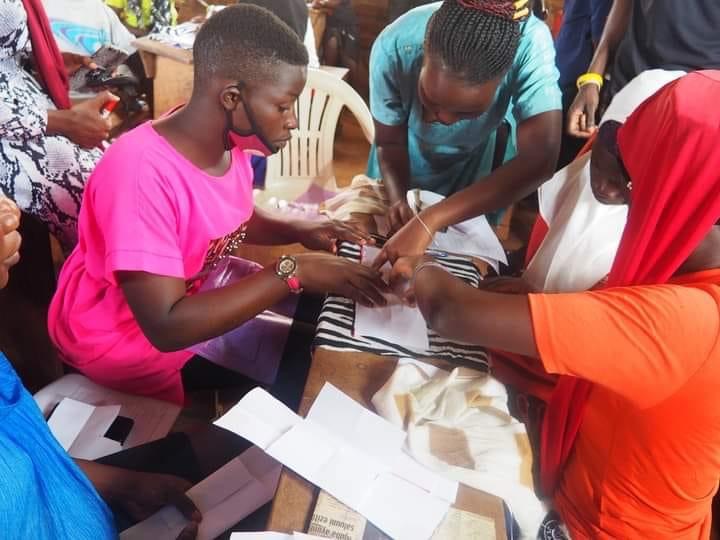
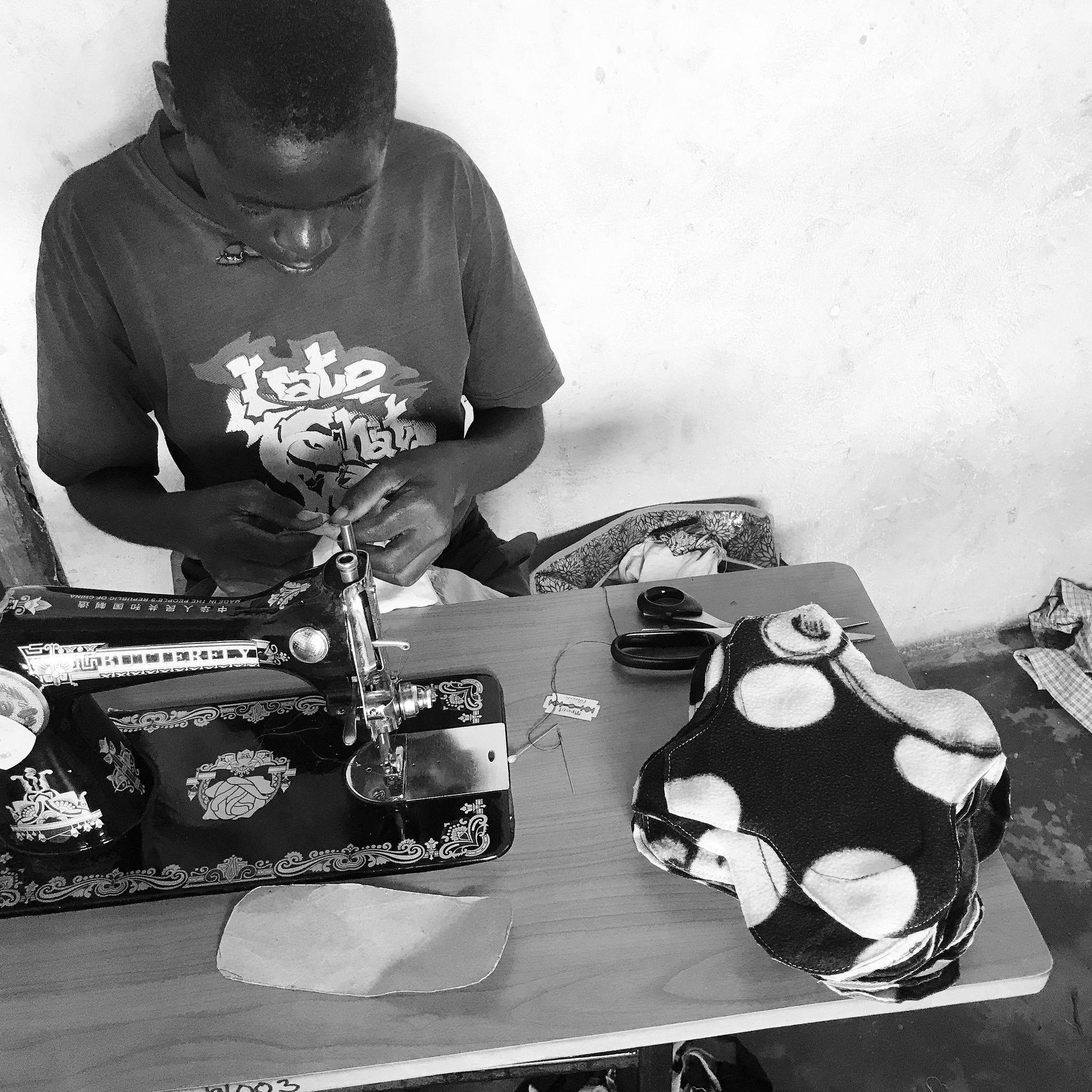
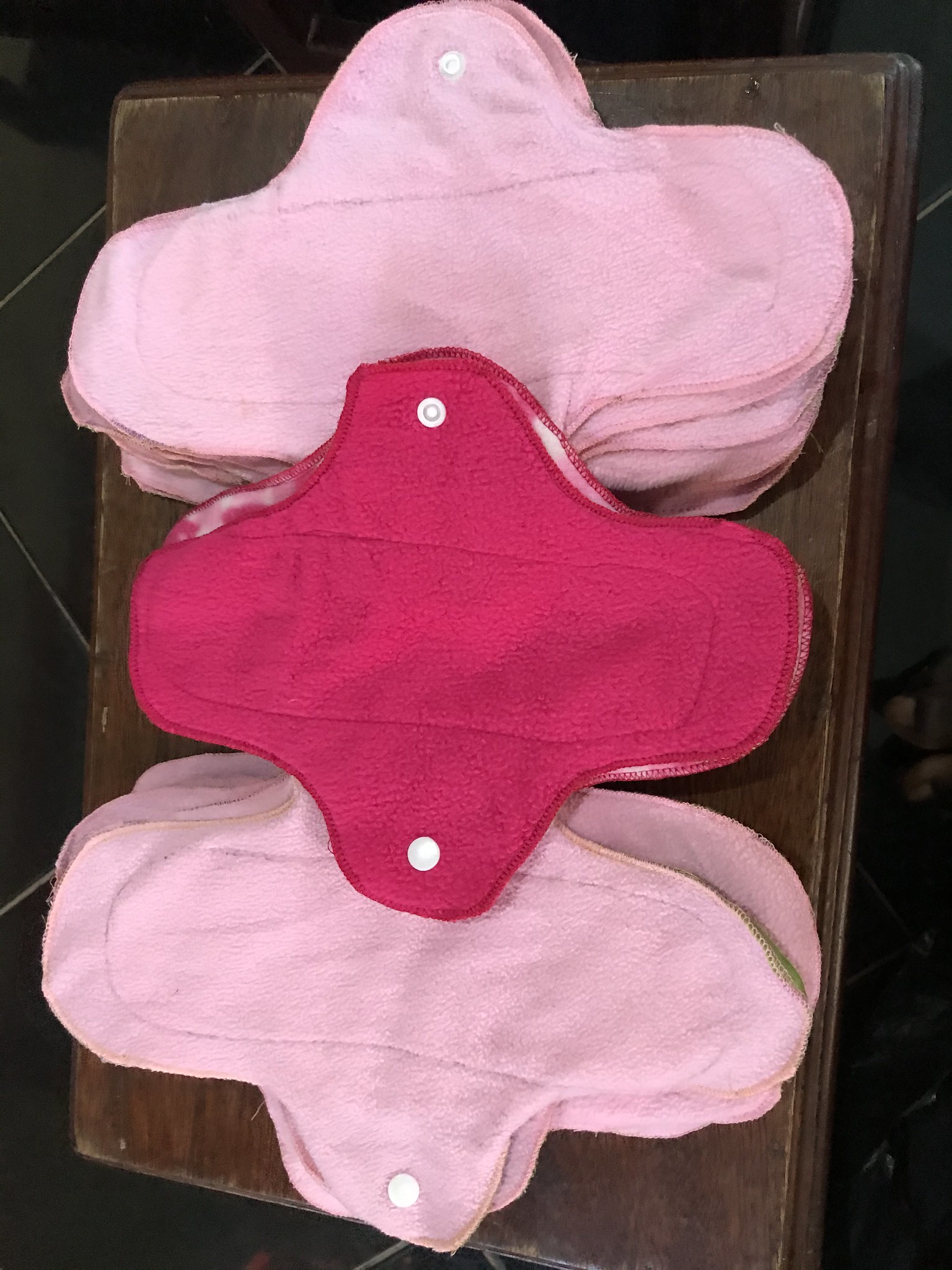
- Skill Development: Youth were trained to craft eco-friendly reusable sanitary pads and produce liquid soap, not only promoting hygienic practices but also empowering them to generate income.
- Community Dialogues: A series of discussions were facilitated, encouraging a collaborative approach to delivering Sexual Reproductive Health and Rights (SRHR) information and services that respect human rights.
- Community Empowerment: Extensive sensitization efforts reached across the community, fostering an environment that supports dignified menstruation.
- Health Outreaches: The initiative penetrated schools and communities, promoting sustained excellence in MHH.
- Religious Involvement: Engaging religious leaders, the project influenced behavioral, value, and norm changes within the community.
- Peer Engagement: By adopting a Social Behaviour Change Communication (SBCC) approach, the initiative encouraged peer-to-peer engagement and youth club activities.
The momentum of the ‘1k Sanitary Pad Project’ did not wane with the initial grant. It successfully garnered additional resources, including a $250 award from Peace First, which also produced a documentary series spotlighting the project’s impact.
Walter’s project, rooted in the belief that “periods don’t stop for pandemics,” has done more than distribute sanitary pads—it has cultivated an ecosystem of education, empowerment, and equality. It stands as a testament to the power of community-driven action in addressing global health challenges and underscores the urgency of maintaining our commitment to menstrual health, a fundamental yet often overlooked facet of global development.