The most underfunded person in philanthropy is the one closest to the problem.
The Pollination Project channels resources directly to grassroots volunteers around the world — the individuals and communities that larger institutions rarely reach.the model
Seed funding at the speed of need
Most philanthropic dollars move slowly and flow toward organizations that already have infrastructure. The people doing the earliest, hardest work — the volunteer with an idea, the community leader without a 501(c)(3) — rarely qualify.
The Pollination Project was built to fund exactly those people. Our microgrant model is designed for speed, reach, and trust: small grants made quickly, to individuals and grassroots groups, based on the strength of their vision and their connection to their community.
One hundred percent of grant funds go directly to the field. Our operational costs are covered separately.

why it works
What makes this model effective
Proximity to the problem
We fund the people closest to the issues they’re solving. Local leaders bring knowledge, trust, and accountability no outsider can replicate.
Volunteer-led review
Our team of volunteer advisors, most former TPP grantees, evaluate every proposal with lived, on-the-ground expertise.
Speed and efficiency
Applications are reviewed monthly. Approved grantees see funds within weeks, not months, when timing often decides whether an idea survives.
Catalytic by design
A $500 grant to someone no institution has backed is not small. It signals legitimacy, unlocks further funding, and has launched organizations now reaching thousands.
Built-in accountability
Grantees submit a final report with receipts, photos, and outcomes, feeding our impact data and future funder connections.
partnership opportunities
Two ways to work with us
Pass-through funding
Channel resources directly into the field through TPP’s established grantmaking infrastructure. We handle due diligence, disbursement, and reporting. You reach frontline leaders in communities where direct funding relationships are difficult to build.
Pipeline development
TPP serves as a top-of-funnel resource for larger funders. After grantees complete their reporting, we identify the most promising projects and facilitate introductions to foundations and donors seeking to make larger, follow-on investments.
Get in touch
Ready to put more resources on the front lines?
We welcome conversations with foundations and major donors who are serious about supporting grassroots change. Reach out to discuss a partnership, or make a gift directly.
Examples of projects we funded
Black Girls Dive Foundation
STEM Education and Planet Resilience
Black Girls Dive Foundation (BGDF) establishes space and opportunity to empower young ladies to explore their STEM (Science, Technology, Engineering and Mathematics) identity through marine science and conservation, and SCUBA diving. BGDF is a designated 501c(3), volunteer-based, educational non-profit organization founded in 2017 in Maryland. Currently, they have local chapters operating in Maryland, New Jersey, Delaware and Georgia.
The Pollination Project was BGDF’s first check and offered vital first belief. You can check out their TPP Story here and a great news story on them on their website.


Animal Welfare Observatory
Animal Welfare
Animal Welfare Observatory (AWO), based in Spain, one of the largest agricultural producers in Europe, is dedicated to improving living conditions for farm animals. Their mission is to achieve agreements with companies, institutions and stakeholders that positively impact the greatest possible number of animals, working under the principles of effective altruism.
The Pollination Project Foundation gave them their first check and first belief. Through that initial grant AWO was able to pass legislation that requires surveillance cameras be placed in all slaughterhouses. They have now scaled to 25 employees and are doing work on behalf of animals throughout Europe.


The Leaders Readers Network
Education
Chris McGilvery is an educator, connector, and kindness crusader. He served as grant advisor at The Pollination Project and he is a grantee himself.
Since receiving his first grant from The Pollination Project his organization the Readers Leaders Network has been featured in the New York Times and other national media. They have provided over 267,541 books to students in need, leveraged over 437,500 volunteer hours, impacted more that 53 school districts and trained and mentored 2,952 middle school, high school and college students.
Chris has said, “I vividly remember receiving my first grant with TPP in December 2013. I finally realized someone believed in my work. It gave me the motivation, inspiration, and love to keep going…I don’t think I would be able to be where I am today without the love of so many at TPP and the financial support. The grant allowed us to engage more community partners and sponsors, donors and volunteers for our cause.”

FarmSahel
Economic Empowerment
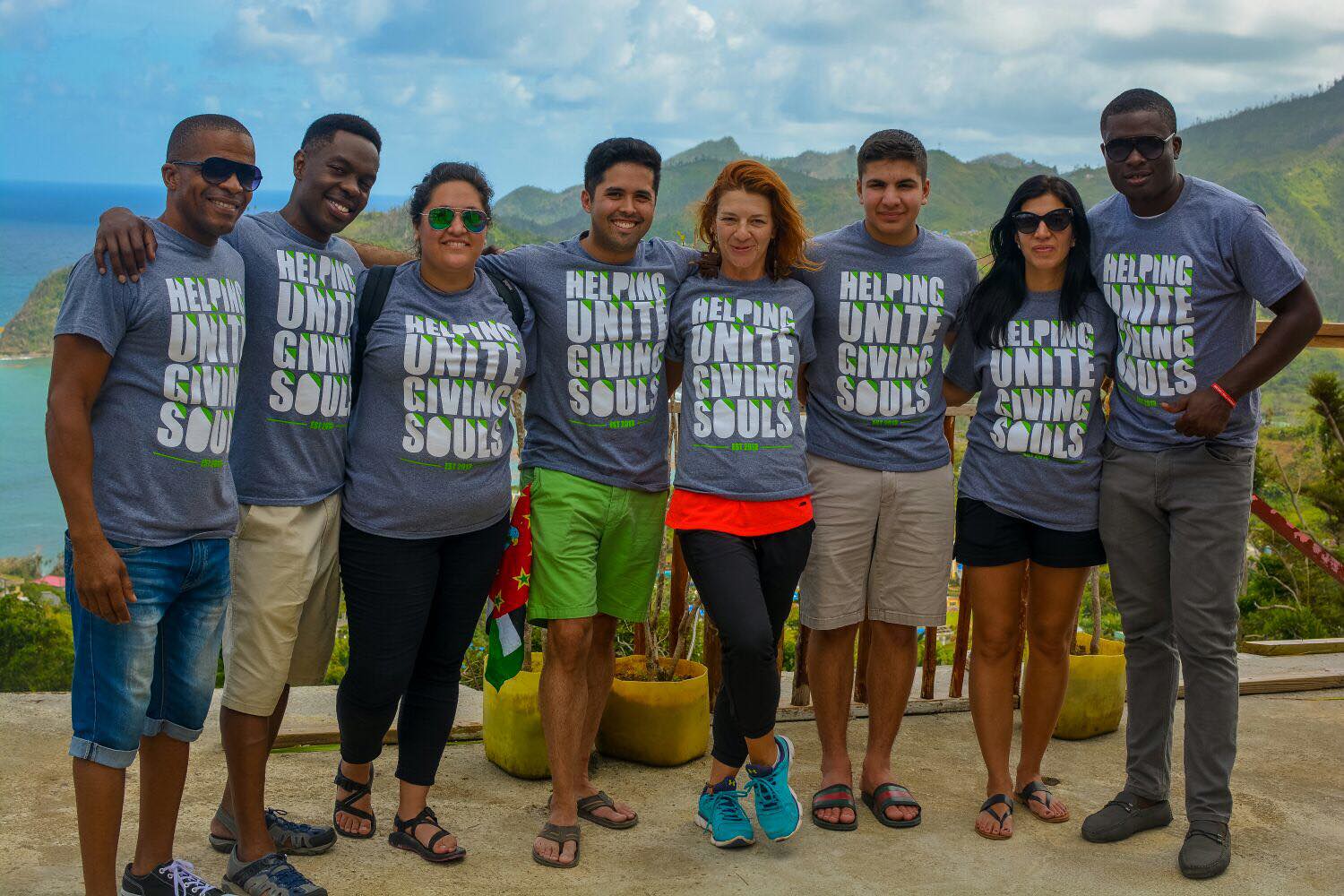
FarmSahel is a 501(c)3 nonprofit organization with a mission to unlock the potential of Sahel communities in Africa to achieve economic freedom through sustainable permaculture. They teach regenerative agriculture to smallholder subsistence women farmers of Burkina Faso, and supply them with agricultural input to help transform non-renewable agriculture into regenerative permaculture systems and enable higher growth yields through social equality. All FarmSahel’s activities focus on the end goals of improving food security and soil fertility with an emphasis on community-based, participatory methods.
Their Founder and Executive Director is not only a TPP grantee but also one of our grant advisors. Since receiving their TPP grant Farm Sahel has planted over 1000 trees, brought clean drinking water to a community of 5,000, increased food production by 56% and created 10 Cooperatives.


Join us